The European Union could ban alcohol sponsorship
After banning tobacco sponsorship, the European Union seems to be interested in another important source of revenue for F1 teams: alcohol.

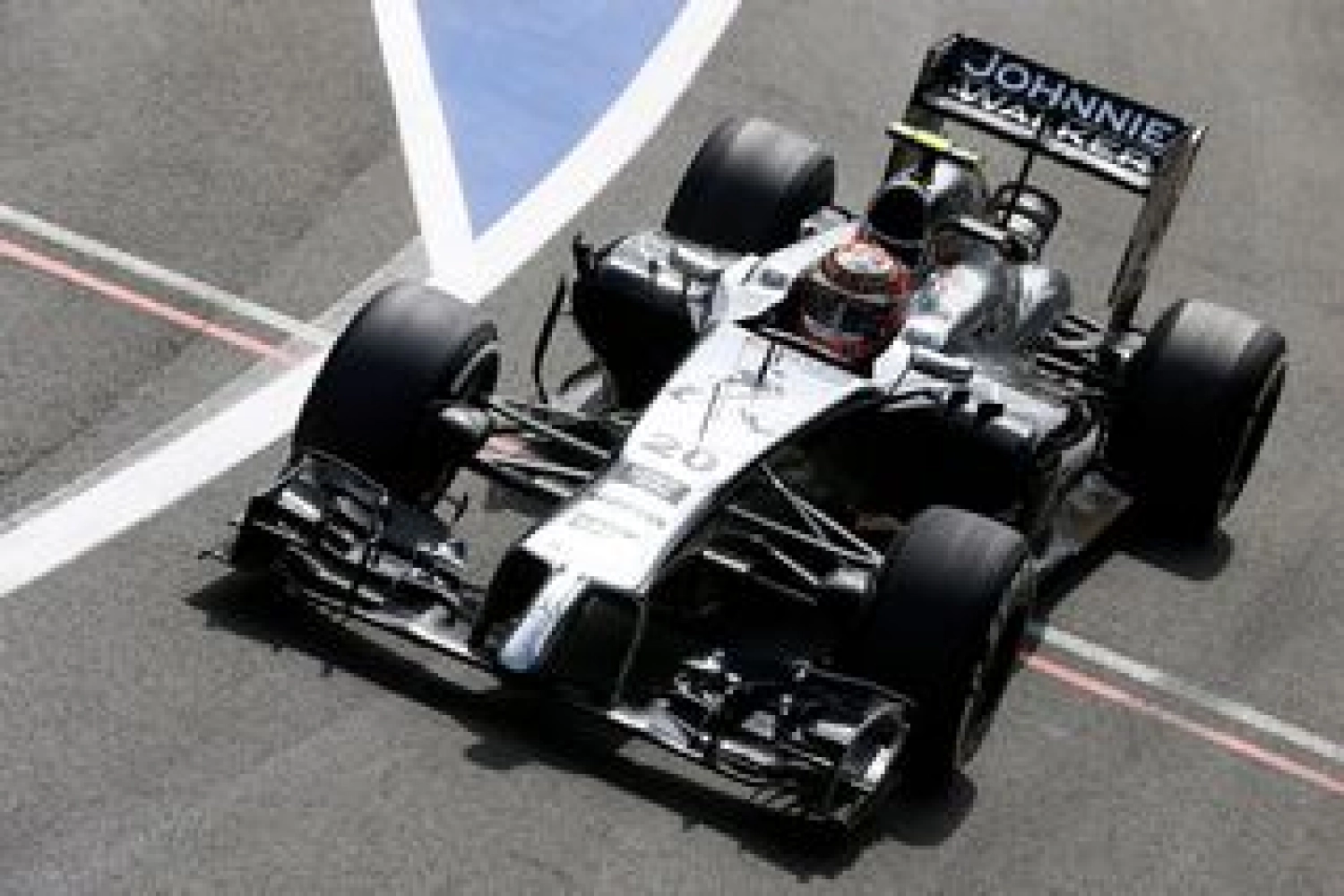
This season, three teams are highlighting different alcohol brands. Martini has become the title sponsor for Williams, Smirnoff has gained a significant position with Sahara Force India, and Johnnie Walker has strengthened its presence in F1 beyond its association with McLaren by becoming the “official whisky” of the sport.
But beyond these iconic partnerships, let’s not forget Mumm, the official champagne represented on all podiums, or Veuve Clicquot, which has partnered with Ferrari, while Singha beer is a long-time sponsor of Red Bull. Not to mention that Vijay Mallya continues to promote his Kingfisher brand within his team.
In the end, it is thus the majority of the lineup that receives a significant part of its income from companies in the spirits sector. The letter sent by Mariann Skar, the head of the EU’s anti-alcohol program, to Jean Todt and Bernie Ecclestone is therefore far from good news for them.
Indeed, the European official states: “We are very concerned about the significant marketing efforts seen in Formula 1. Therefore, we are calling for swift change.”
According to her, the messages against the abusive consumption of alcohol conveyed by brands in their association with a team do not meet the requirements of the legislation already in force in the Union: « Allowing alcohol sponsorship in Formula One seems to go against official guidelines for alcohol marketing. It contradicts the European Union directive which states that the marketing of alcohol consumption should not be associated with driving. Moreover, the current association between alcohol and driving does not seem to fit into the category of “messages for the generalized promotion of responsible consumption,” which is part of the mission the industry has decided on itself. »
However, it is somewhat surprising that Mariann Skar, who has been in her position since 2007, is only now taking an interest in the subject, whereas France banned this type of sponsors many years ago under the Evin law. The topic thus has the knack of arriving precisely when team finances are at the heart of discussions in the paddock.
Threatening one of their last massive resources could therefore be used as a political tool for purposes other than the simple health of European citizens. We can recall that last May, some were threatening to appeal to the European Union because the Concorde Agreements would go against free competition. Since then, this type of discussion has completely disappeared from the radar screens…
With the participation of www.Racingbusiness.fr