Cost Reduction: Mercedes, Red Bull, and Ferrari for Customer Cars
In a challenging economic context in F1, the directors of leading teams would not be opposed to offering customer cars to smaller or new teams. This would be under certain conditions if the number of single-seaters were to reduce too much.


As the cost-cutting project in Formula 1 is at a standstill and smaller teams are accumulating financial difficulties, the idea of customer cars is resurfacing. The heads of various top teams agree that this could be the right solution to ensure a sufficient number of cars on the starting grid.
Thus, Marco Mattiacci, the new director of the Ferrari team, presents himself as a fervent defender of this idea. He states: « We firmly believe in customer cars. I think that if there is a way to guarantee an entry price that is less expensive than the budget of a Top Team, it is customer cars. »
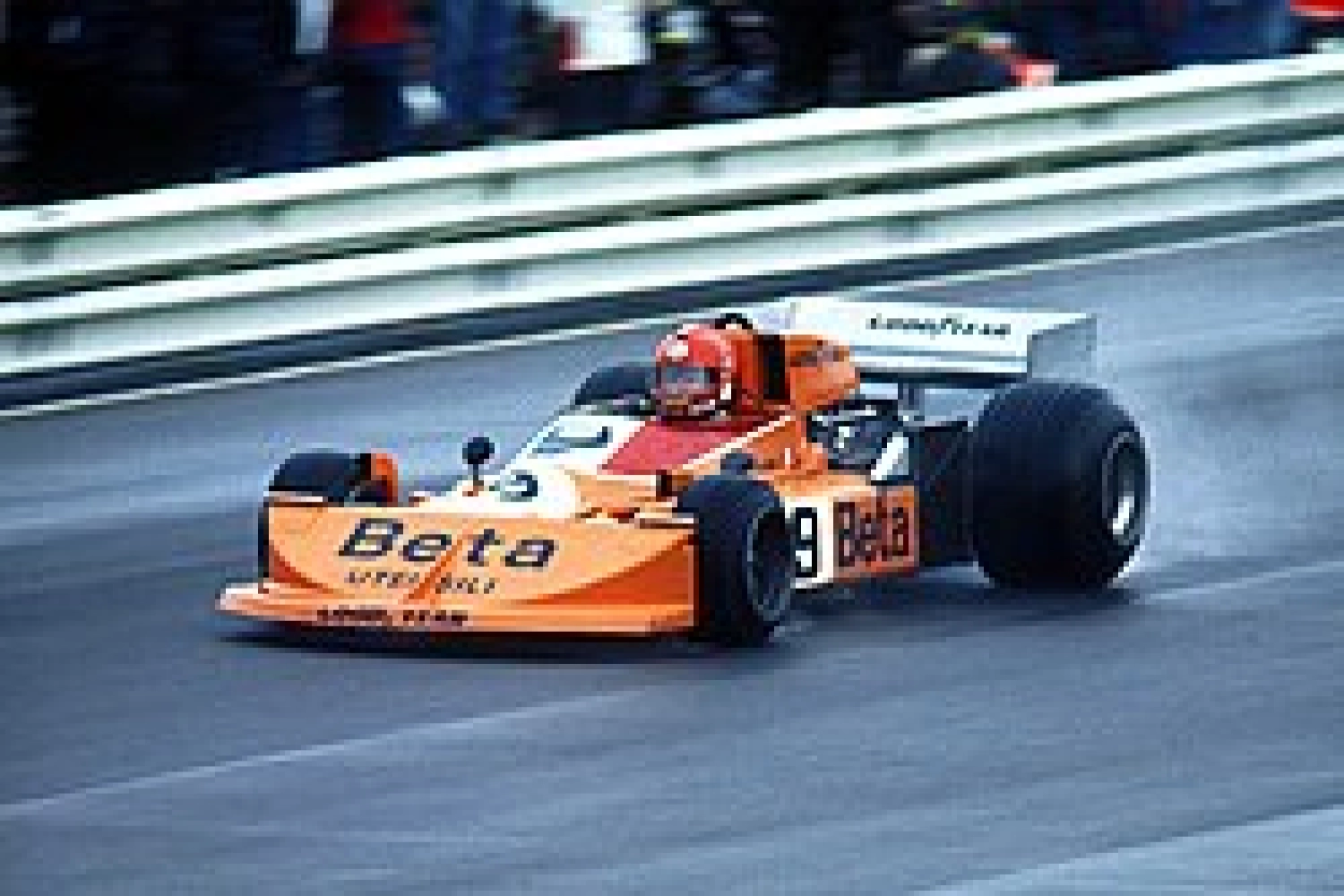
During certain periods in the history of Formula One, manufacturers such as Ferrari, Lotus, McLaren, and Williams were already turnkey single-seater suppliers to smaller teams.
Mattiacci explains that for new teams wishing to join the field at a relatively affordable price, the customer car would give them the possibility to have two or three years of experience to acquire the knowledge to become competitive. So, it’s a practical way, a form of realpolitik, to move forward.
For his part, Christian Horner, the Red Bull director, believes that to encourage new teams to join Formula 1, a car from the previous year would certainly be the cheapest and most profitable way to allow a team not to have to invest in design and research and development sectors, in manufacturing, nor having to go through the crash-test process; they could focus on being a racing team while building their infrastructure.
As for Toto Wolff, the executive director of Mercedes AMG F1 would be ready to consider the solution of a customer car or a third car per team but only in the case where it would be necessary to guarantee a competitive field with enough cars. Then he adds: If we reach a situation where the number of cars falls to a critical level – whatever that critical level may be, 20 or 18 cars – I think measures would need to be taken.
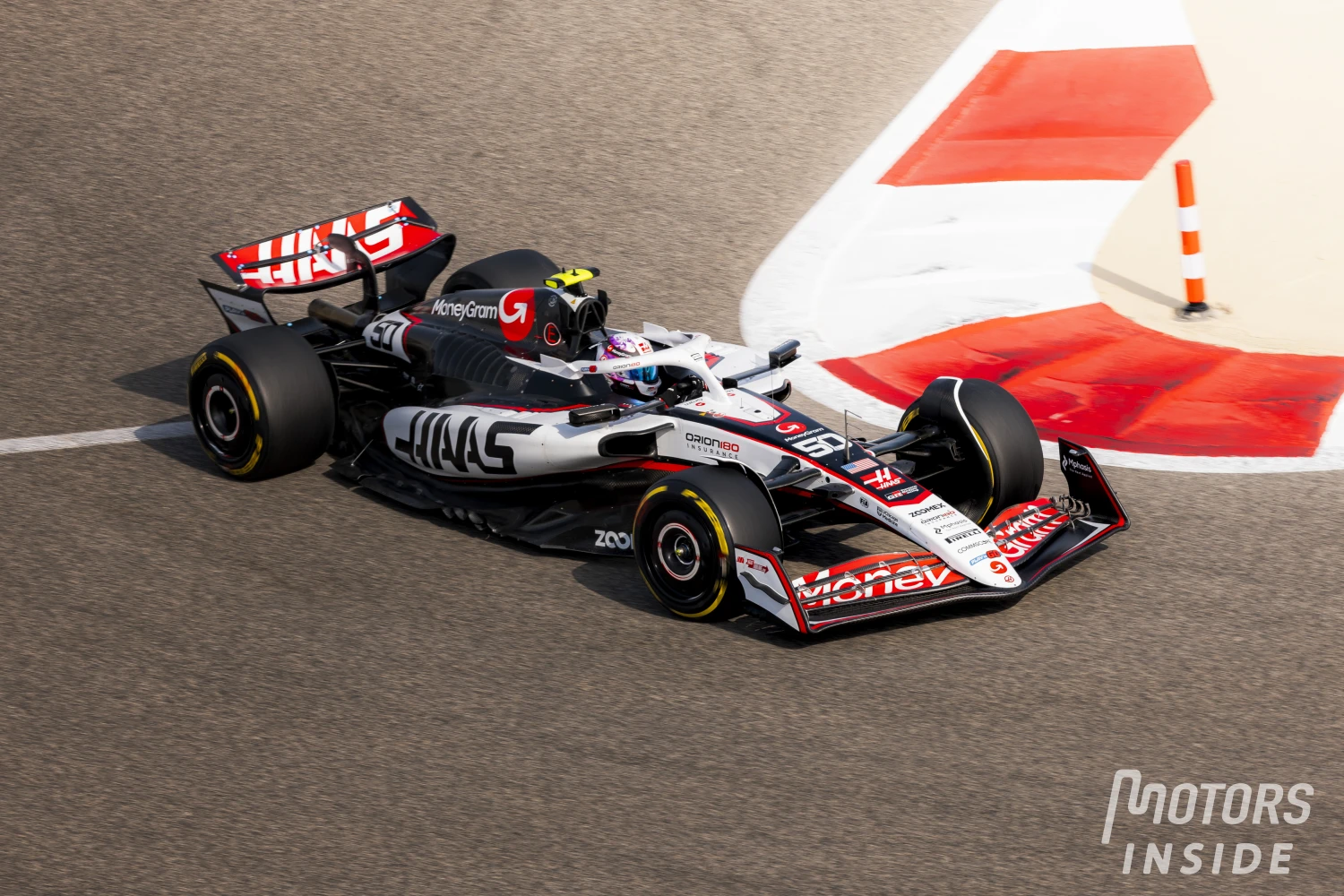
The new American team, Team Haas, with such a system, could be present as early as next season while focusing on setting up a structure to prepare for the following season.
However, the concept of customer cars has already been addressed in the recent past without ever sparking widespread enthusiasm. The differing interests of various teams with disparate budgets and objectives have so far not allowed for a consensus on cost reduction.