Renault F1 admits that teams could run out of engines
According to Renault, the allowable limit of five engines used in 2014 could be reached by some teams. The French manufacturer also believes that Mercedes can be dethroned from its pedestal.

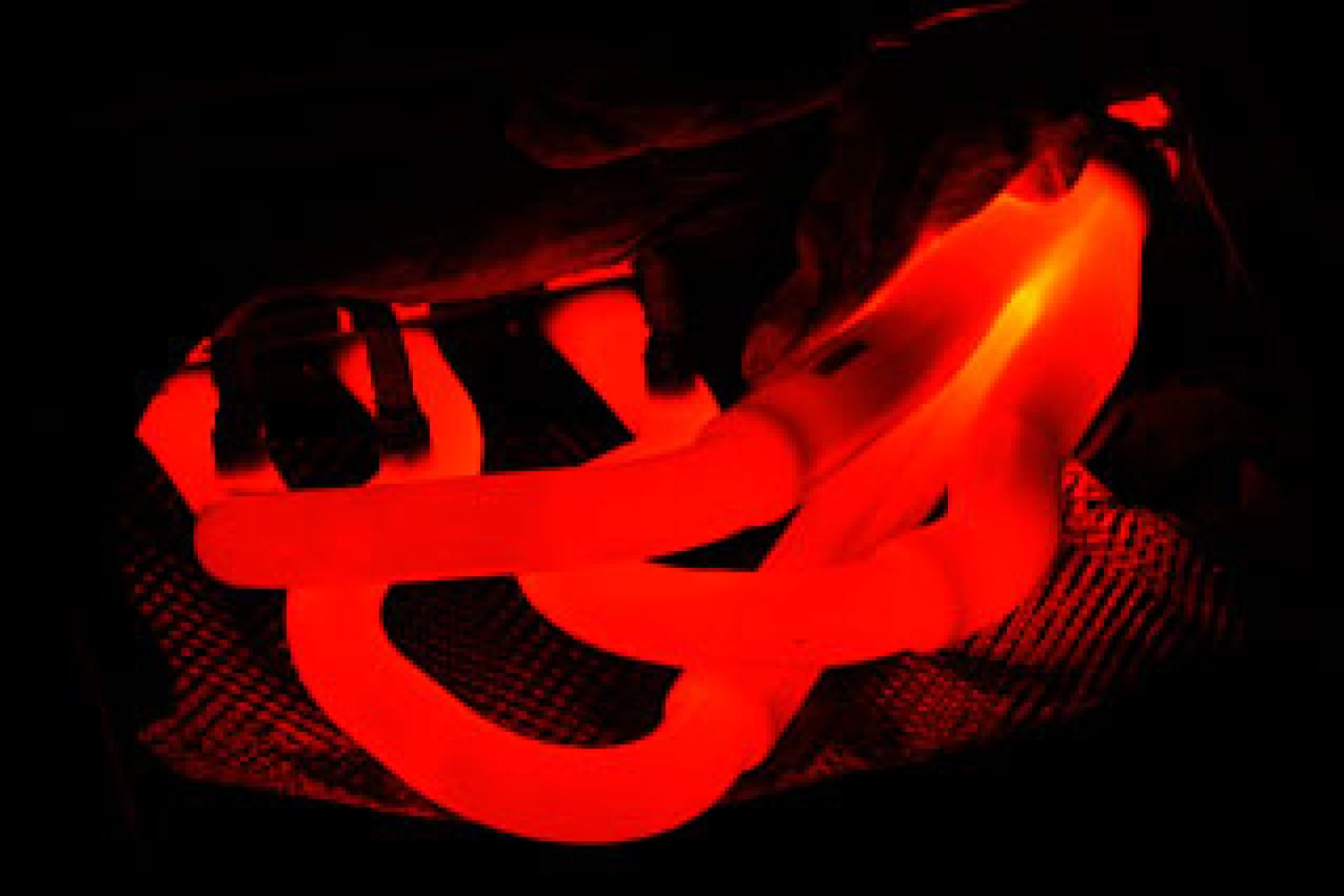
With the new regulations, the FIA has decided to limit each driver to the use of five engines in total for the entire season. If this limit is exceeded, the driver will have to start from the pit lane.
That’s why after a chaotic start to the season for Renault, the French engine manufacturer admits that some drivers using engines from the diamond brand might find themselves exceeding the allowed quota.
Rob White, Deputy Managing Director (Technical) explains to Auto Motor und Sport that part of the problem stems from the difficult winter start: « During the first tests, we were far behind. We were in crisis, but we didn’t panic. We put a plan in place to close the gap. Since then, we have made progress but unfortunately not enough »
It is precisely this delay to be made up that could have unfortunate consequences at the end of the season. Rob White concedes that these efforts to end the crisis have come at a price. In the various teams, we have consumed more power unit components than expected.
According to Rob White, some teams will nevertheless be more affected than others. He adds: « This means that teams are at different stages of development cycles. For some, it might be challenging to stay within the five permitted units. »
According to Grandprix.com’s correspondent Michael Schmidt, the Lotus team seems to be the most affected by this phenomenon, closely followed by Caterham. It is recalled that Lotus has experienced numerous reliability issues despite a recent return to form.
If that were to happen, we might witness traffic jams at the pit exit at the start, at the end of the season.
Renault still in pursuit of Mercedes
The technical director of Renault F1 thinks that Mercedes is catchable in terms of performance, even the power superiority of the German engine would not be unreachable. He states: « There is nothing in our engine concept that prevents us from being the best. »
By separating the turbo system from its power unit into two parts, Mercedes would gain in efficiency. An architecture that White does not believe is decisive in the advantage of the German manufacturer.
He defends himself: « It’s not that we didn’t think of organizing [the power unit] this way, but we don’t believe it’s the decisive factor. ».
Jean-Michel Jalinier, head of Renault Sport F1, confirms the words of his assistant: « We have not had a major revelatory experience that makes us admit we were caught off guard. »
The source of Renault’s lack of competitiveness in Formula 1 in 2014 would come from an overconfidence in their ability to overcome the challenges that arise. Rob White states simply: « We were late in reaching our goals, either because we underestimated the risks or overestimated our ability to solve problems on time. »