Ricciardo disqualified: FIA flow meters in question
Following Christian Horner's challenge to the FIA flow meter, the other teams are complying with the guidelines set by the international body.

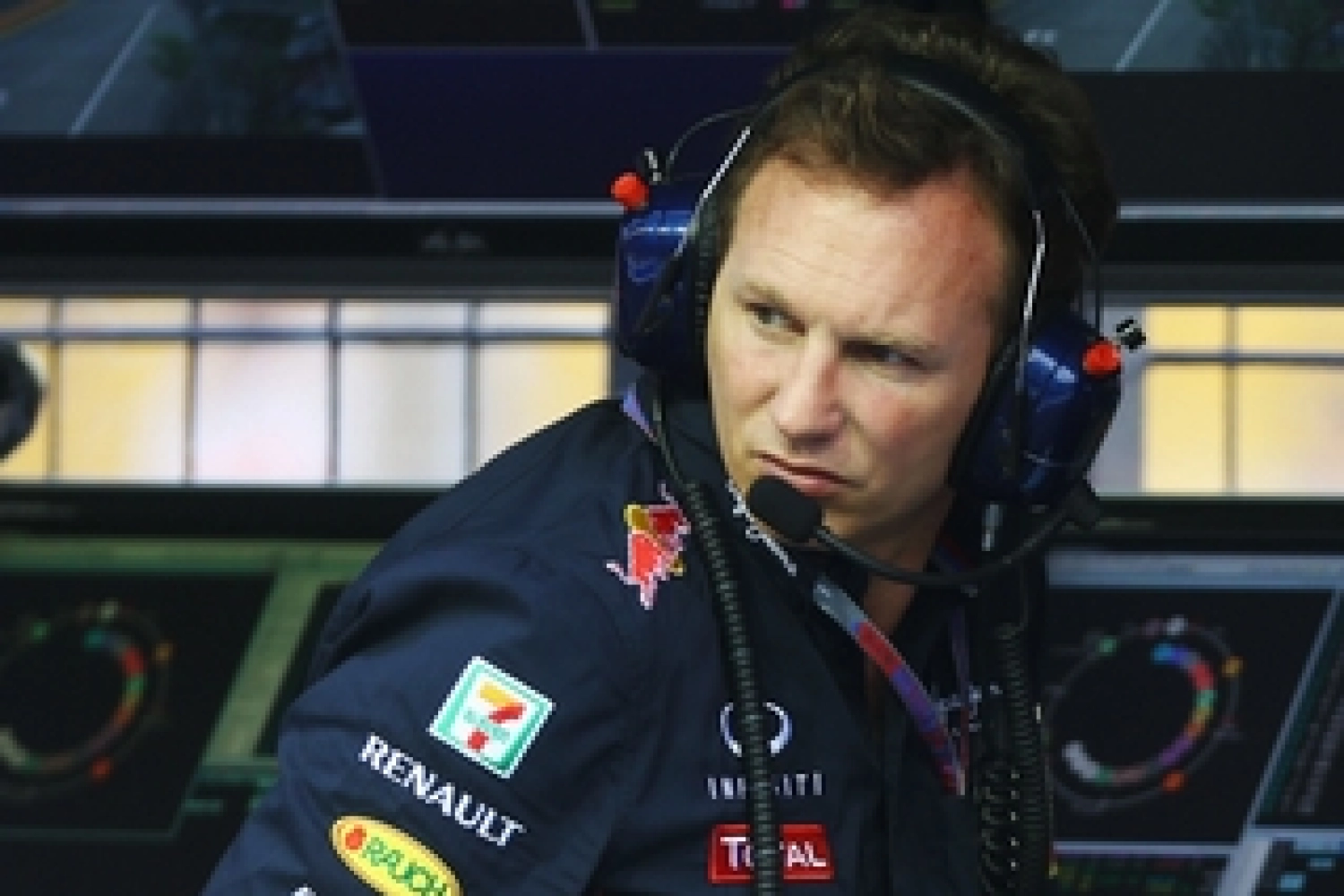
As you may have read on MotorsInside, Daniel Ricciardo’s disqualification was due to a regular exceedance of the fuel flow rate measured by an FIA flow meter. Christian Horner, Red Bull’s director, stated that « the sensor provided to us was not working correctly, we calculated the fuel flow based directly on the injector flows. Since the injectors are calibrated, no variation is possible. There was a significant difference between the values from this sensor and reality. »
How do these flow meters work?
The restriction of fuel flow to 100 kg/h was implemented by the governing bodies of the discipline to limit engine power. Exceeding this threshold, explains Craig Scarborough on Autosport, provides an obvious power gain that will lead—intentionally or not—to a violation of the technical regulations.
The FIA uses ultrasonic sensors for this purpose – which do not come into contact with the fuel flow to avoid altering it – to measure the amount of fuel passing through the engine. These sensors will relay the information to the FIA and the teams. Designed to be as accurate as possible, they remain subject to a logical margin of error, and the FIA can apply a correction factor, as Craig Scarborough indicates, to try to achieve an acceptable level of precision. In the event of sensor failure, the flow rate can still be calculated, albeit less accurately, using readings of parameters concerning fuel pressure and injection.
A difference between FIA data and team data
Several voices within other teams stated to *Autosport* that they noticed discrepancies between the values collected by the FIA sensors and those they recorded. However, it turns out that the FIA had clearly communicated before the first Grand Prix weekend of the season /f1/actualite/17117-australie-red-bull-pour-horner-le-debit-dessence-de-ricciardo-etait-correct.html, that the fuel flow measured by the FIA sensor would be the only one considered for determining compliance with the regulations.
It is specified in the report of the disqualification of Red Bull No. 3 that « the fuel flow is measured by the fuel flow sensor (Art. 5.10.3 & 5.10.4 of the technical regulations) approved by the FIA and owned and operated by the team. »
The various teams were informed of the possibility that the detected value might exceed the allowed limit of 100 kg/h and that, regardless of the data collected by the team, in such a case, they had to reduce their flow rate to ensure they did not surpass the authorized threshold. Despite this knowledge, Red Bull decided not to follow FIA’s instructions by not reducing the fuel flow on Ricciardo’s car.
The technology used for these fuel flow sensors is entirely new. Since the initial tests, the accuracy of calibrating these sensors has proven challenging.
Ferrari and Mercedes in line with the FIA
Bull’s competitors have stated that it is necessary to trust the FIA in this area. Thus, Stefano Domenicali, the director of Scuderia Ferrari, explains: « We must rely on the fact that this situation is well managed by the FIA and to be honest, it is the case. The Federation will do its job, and I am certain that there will be no issues. »
For his part, Toto Wolff, executive director of Mercedes, states: « I just think that all systems need to work together. Obviously, the FIA controls the fuel flow from different teams, it’s just a matter of teaching the teams and the FIA to work together. The fuel flow meter is an FIA system that needs to be integrated into the cars. It’s a learning process in which the FIA and the teams support each other. »
As a form of mutual assistance, this case could well turn into an arm-wrestling match between Red Bull and the FIA.