The Canada Pension Plan Investment Board invests 400 million dollars in F1
The Canada Pension Plan Investment Board will buy debt issued by F1 and acquires 39% of MotoGP.

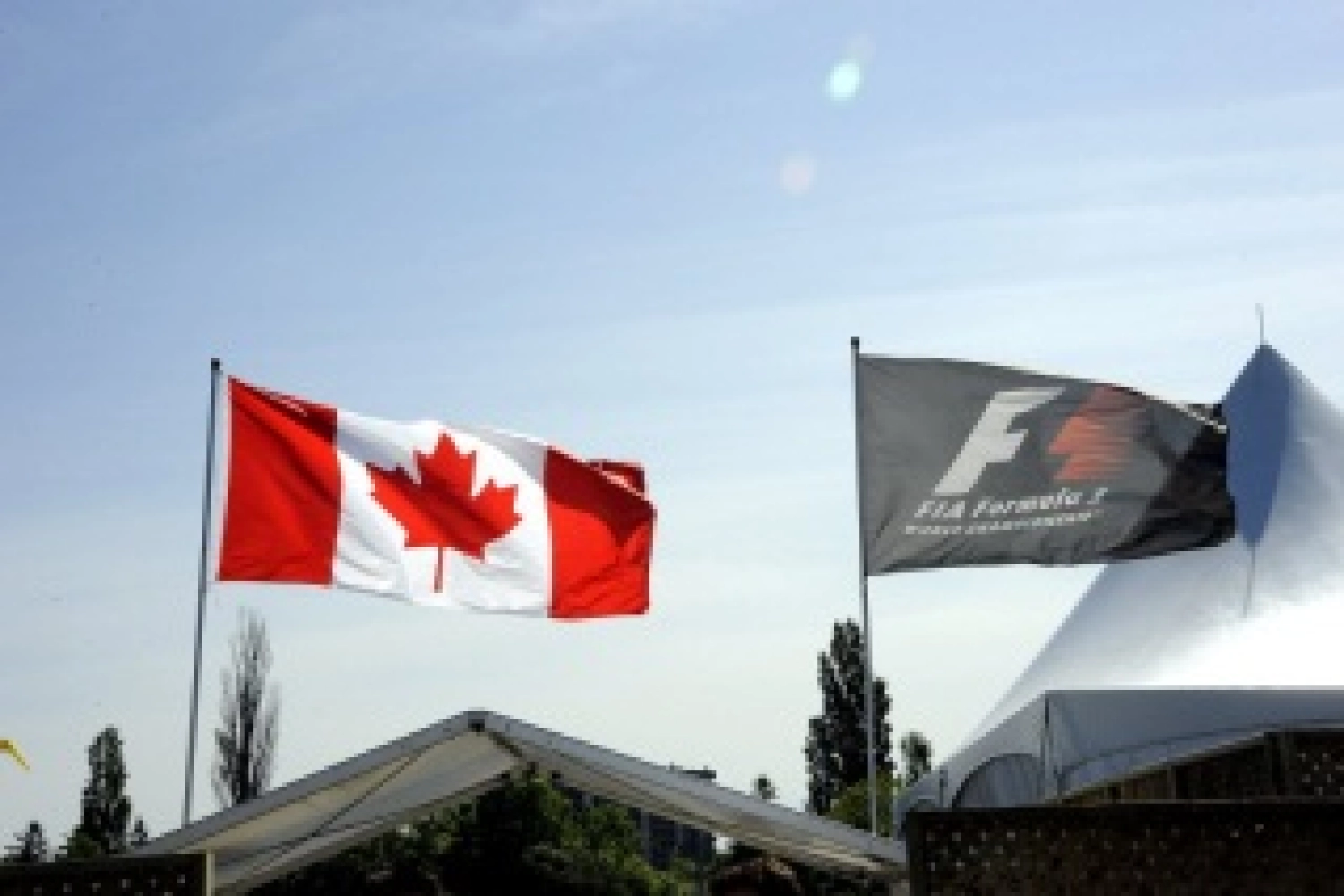
The Canada Pension Plan (CPP) has decided to participate with $400 million in the $1 billion debt issuance that F1 is going to implement.
This investment is therefore not an equity injection, unlike what investment funds Waddell & Reed, Norway’s sovereign wealth fund, and Blackrock have done, but simply the purchase of debt issued by the owners of F1. This high-yield issuance has a maturity extending to 2019, although the interest rate has not been disclosed by the pension fund.
André Bourbonnais, vice-president responsible for private investments at the pension fund, stated: « This transaction is an excellent opportunity for CPPIB [Canada Pension Plan Investment Board, ed] to be involved in a long-term loan with very attractive risk-adjusted returns for a global sports management brand that is very well positioned for continued growth. »
If this is the first time this fund has invested in a sport, it’s a practice that is relatively widespread across the Atlantic. For instance, the Ontario Teachers’ Pension Plan recently sold its majority stake in Maple Leaf Sports and Entertainment, which controls Toronto’s hockey and basketball teams. It thus received $1.07 billion for this stake.
At the same time, the CPP also decided to acquire a 39% stake in Dorna, the entity that holds the MotoGP rights until 2036 and recently purchased the Superbike World Championship rights. The CPP will thus be alongside another institutional investment fund, Bridgepoint, which acquired the Spanish entity in 2006. Although the amount of this transaction has not been disclosed either, it is not expected to value Dorna as highly as Formula 1, which has reached nine billion dollars following the purchases made last June.
The common point of these sports is that they have long-term contracts with circuits and television networks, which are the main source of revenue. This therefore attracts investment funds that are looking for investments with linear growth forecasts. This raises even more the question of why the teams do not unite to buy back all the shares of their sport instead of allowing more than half of the revenue to go to external investors who do not participate in the international promotion of the sport…
With the participation of www.Racingbusiness.fr