An update on engine quotas mid-season
Since 2009, all single-seaters have been subject to a limitation on the number of engines used during the season. After 11 races, the drivers have managed this quota differently. Their goal is the same, to finish the season without penalty. It's time to take an initial assessment, just one race past the mid-season point.

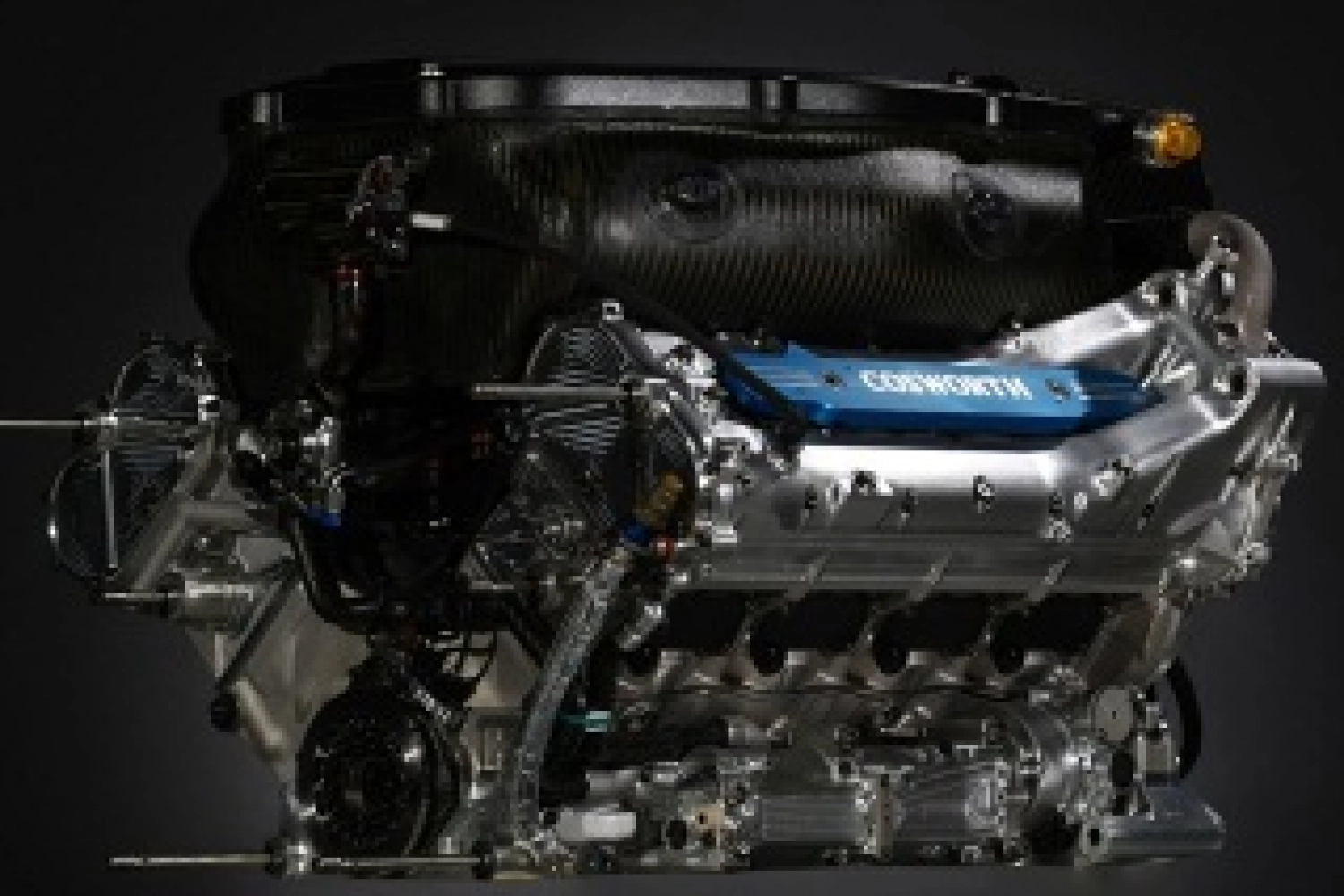
Since the 2009 season, the desire to reduce costs in Formula 1 has led teams to limit the number of engines used in a Formula 1 championship. This quota, set at eight V8 engines, forces manufacturers to push their limits in both performance and reliability.
With 20 races in 2012, each engine must cover an average of 2.5 Grand Prix. Since 2009, the teams have learned to manage the stock provided by their manufacturer. Circuits that demand the least from the V8s are therefore combined with more demanding circuits. Other teams prefer to combine three races that require little from the engine for the same block, in order to have only two races with the same engine on very demanding circuits.
After the Hungarian Grand Prix, which was the 11th event of the year, the 24 drivers on the grid should have used their 5th engine at least once. However, as the following table shows, only 15 drivers are on their 5th V8.
The 9 other drivers were using only their 4th engine block in Hungary since the start of the season. The HRT drivers seem to benefit from their numerous retirements. In Montreal (7th race), they were only using their third Cosworth V8 of the season.
The table showing the engine quota usage of each driver in 2012:
aus | mal | chi | bah | esp | mon | can | eur | gra | all | hon | bel | ita | sin | jap | cor | ind | abu | eta | bré | |
| Vettel | 1 | 2 | 3 | 4 | 5 | |||||||||||||||
| Webber | 1 | 2 | 3 | 4 | 5 | |||||||||||||||
| Button | 1 | 2 | 3 | 4 | 5 | |||||||||||||||
| Hamilton | 1 | 2 | 3 | 4 | 5 | |||||||||||||||
| Alonso | 1 | 2 | 3 | 4 | ||||||||||||||||
| Massa | 1 | 2 | 3 | 4 | ||||||||||||||||
| Schumacher | 1 | 2 | 3 | 4 | 5 | |||||||||||||||
| Rosberg | 1 | 2 | 3 | 4 | 5 | |||||||||||||||
| Räikkönen | 1 | 2 | 3 | 4 | 5 | |||||||||||||||
| Grosjean | 1 | 2 | 3 | 4 | 5 | |||||||||||||||
| Di Resta | 1 | 2 | 3 | 4 | ||||||||||||||||
| Hülkenberg | 1 | 2 | 3 | 4 | 5 | |||||||||||||||
| Kobayashi | 1 | 2 | 3 | 4 | 5 | |||||||||||||||
| Perez | 1 | 2 | 3 | 4 | ||||||||||||||||
| Ricciardo | 1 | 2 | 3 | 4 | ||||||||||||||||
| Vergne | 1 | 2 | 3 | 4 | ||||||||||||||||
| Maldonado | 1 | 2 | 3 | 4 | 5 | |||||||||||||||
| Senna | 1 | 2 | 3 | 4 | ||||||||||||||||
| Kovalainen | 1 | 2 | 3 | 4 | 5 | |||||||||||||||
| Petrov | 1 | 2 | 3 | 4 | 5 | |||||||||||||||
| De la Rosa | 1 | 2 | 3 | 4 | ||||||||||||||||
| Karthikeyan | 1 | 2 | 3 | 4 | ||||||||||||||||
| Glock | 1 | 2 | 3 | 4 | 5 | |||||||||||||||
| Pic | 1 | 2 | 3 | 4 | 5 |
For now, with three breakdowns for 8 cars equipped in 2012, Renault engines are the least reliable: a 3.4% dropout rate. Cosworth, with one engine failure for 4 cars equipped, has a failure rate of 2.27%. Mercedes and Ferrari, for 6 cars equipped by each engine manufacturer, have not recorded any dropouts due to the V8.
Note that the total distance covered by Formula 1 cars in races in 2012 will be 6099.947 km, which is roughly the distance from Lyon to the Abu Dhabi circuit. In total, including various free practice sessions and qualifications, the drivers and their eight engines will have covered an average of about 14,000 km this season.
To ensure the rule is followed, the FIA – Fédération Internationale de l’Automobile – has implemented precise numbering and tracking of engines that are sealed between each Grand Prix. To encourage compliance with the regulations, penalties are applied by the FIA for the use of a ninth different engine in the same car: a 10-place grid penalty.
Article 28.4 of the FIA Sporting Regulations specifies:
Each driver may not use more than 8 engines during the championship. If a driver uses more than 8 engines, he will be penalized by moving back 10 places on the starting grid of the first Grand Prix where the additional engine is used. If the driver changes engines twice during the same Grand Prix, he will move back 10 places on the starting grid of the Grand Prix where the additional engine is used, as well as during the following Grand Prix. An engine is considered used once the car’s transponder has crossed the pit lane exit line.
B) If a driver is replaced at any race during the season, the engine quota continues as if it were the driver who started the season.
C) After each event, the engines will be sealed and can be inspected within two hours following the event. […]
D) If one of the seals is damaged or missing from an engine after it has been used at least once, it can no longer be used unless decided otherwise by the FIA.
E) If an engine is changed in accordance with Article 34.1 [defining the Parc Fermé rules], the replaced engine may no longer be used in any of the remaining qualifying sessions or races during the season, except during the last Grand Prix of the championship.