British GP: 180 km/h average speed in corners!
Speed circuit, particularly in its first part, Silverstone includes one of the most well-known sequences in the world. Renowned for its frenetic pace, Silverstone is demanding on the tires as well as the engine. Indeed, drivers do not brake at any moment throughout the first part of the circuit. The average speed in corners is […]

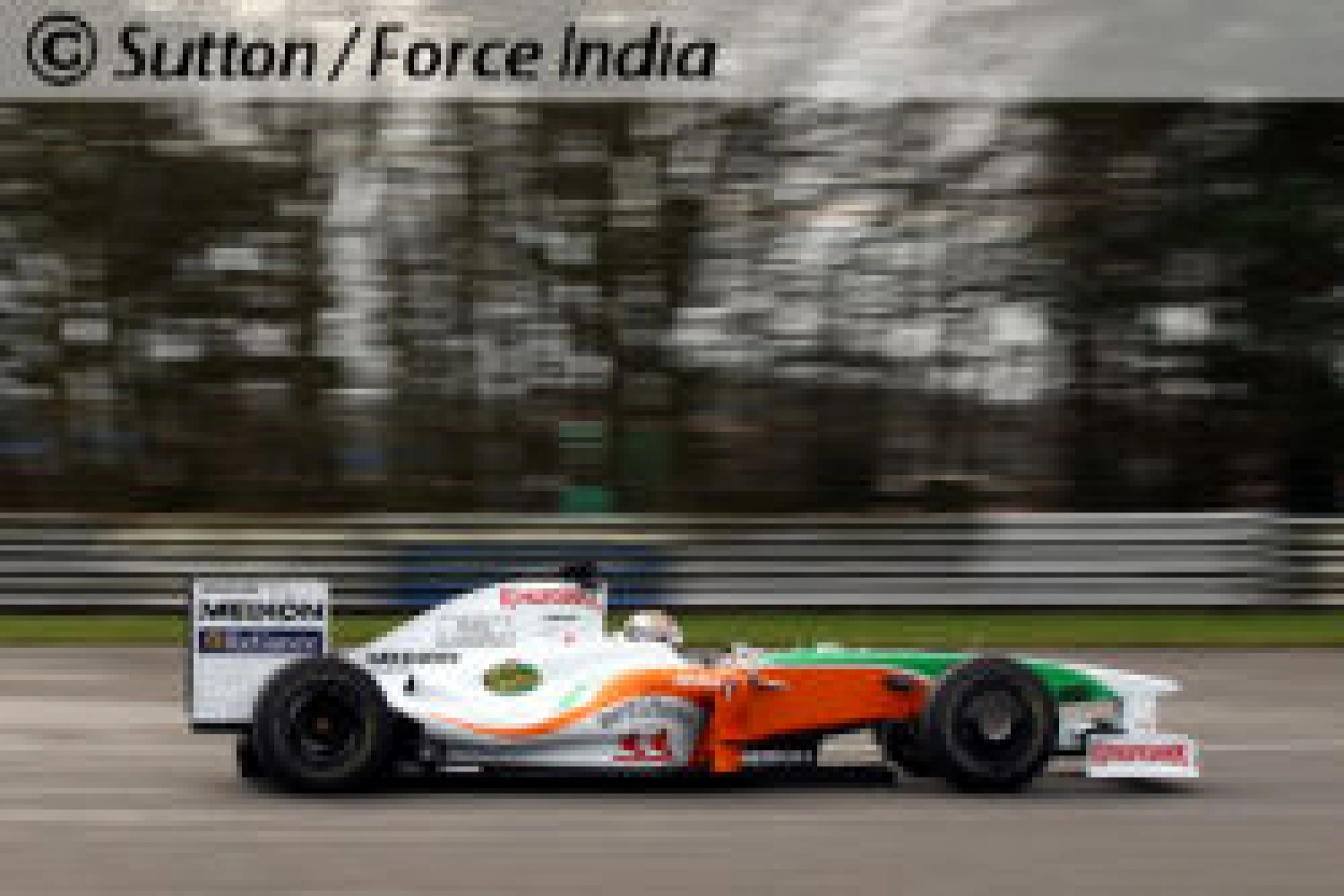
Speed circuit, particularly in its first part, Silverstone includes one of the most well-known sequences in the world. Renowned for its frenetic pace, Silverstone is demanding on the tires as well as the engine. Indeed, drivers do not brake at any moment throughout the first part of the circuit. The average speed in corners is 180 km/h, but the car also has to tackle a slower and more complex section at the end of the lap and adapt to a bumpy and unpredictable surface.
Aerodynamic supports:
The aerodynamic setups at Silverstone range from medium to high in order to increase grip in the fast corners of the first part of the circuit. High downforce is necessary for the more winding first part of the lap, and any potential loss in top speed should not be a problem given the relatively short straights and braking zones. This should not pose a threat in terms of competition. The absence of heavy braking also means we will use smaller brake ducts to optimize aerodynamic performance. The fastest part of the circuit is the Maggots and Becketts sequence (corners 2 to 5), as Fernando Alonso explains:
« The sequence of fast corners Maggots – Becketts at the beginning of the lap presents a real challenge and it’s a part of the circuit where driving is truly enjoyable. The passage is very quick, especially at its entry. It is therefore important to rely on a car that responds well to changes in direction. We do not brake at any point in these corners of the first sector, we simply lift the foot slightly to maintain the trajectory. We endure approximately 4G in this high-speed section which is very physically demanding. »
Behavior on bumps:
The behavior of the car on bumps is an important parameter at Silverstone, where maintaining a good level of aerodynamic performance is crucial for providing grip in fast corners. The surface is rather bumpy, especially in the braking zone of turn number 8 (Vale), where the surface alone can destabilize the car. Additionally, in their quest for the ideal trajectory, drivers tend to ride over the curbs at the exit of corners, which amplifies the bumpy effect of the track.
Suspensions:
We operate the car with a front-end balance, meaning harder suspensions at the front and softer at the rear. The harder front allows the car to be more responsive in rapid direction changes in both fast and slow corners, while the softer rear provides better grip on exit and thus better traction, especially in corners 9, 11, and 16.
Tires:
The tires are always put to a tough test on this circuit, particularly due to the few high-speed corners this track features. This makes Silverstone one of the most challenging circuits of the season at this level, along with Spa and Barcelona. Bridgestone will provide teams with the hard and soft compounds from its 2009 range.
Ambient conditions:
As a former airfield, Silverstone is inevitably exposed to wind, which has a notable impact on car performance. Gusts disturb the aerodynamic balance and make its behavior sometimes unpredictable, especially in fast corners. Drivers must therefore be able to assess the strength and direction of the wind and adapt their driving accordingly.
Strategy:
Fuel consumption is quite high at Silverstone, and the time penalty associated with the fuel load on board is consequently high as well. This means that the strategies chosen for this race generally do not deviate much from the norm, as two additional laps of fuel can cost nearly two-tenths per lap. We expect to see teams opt for a standard two-stop strategy, with the first stop occurring quite early for the leading teams.
Engine:
The Silverstone circuit demands from the latest generation of V8 engines a full-throttle time of nearly 66% of the lap. Despite the reduction in downforce due to the new regulations implemented this year, this percentage remains similar to last year’s thanks to the additional grip provided by Bridgestone slick tires. The priority will be to ensure that the engine can respond at high revs when the driver approaches fast corners like the right-hand turn No. 7 (Stowe).
Nelson Piquet explains: « Stowe is the first part of the circuit where we apply the brakes. In fact, we take the corner and brake at the same time to hit the curb at a speed of 200km/h. It is possible to overtake in this part but since the braking is short, you need to have managed to position yourself ahead of the car even before the corner. »
According to a statement from the Renault F1 Team