Turkish GP: A Colorful Circuit on Europe’s Borders
The Istanbul Park circuit, designed to run counter-clockwise, combines a series of fast turns and relatively slow sections. The circuit is now one of the drivers’ favorites. Overtaking is difficult, especially in the first half of the lap, but the long straight leading to the hairpin at turn number 12 is the ideal opportunity to […]

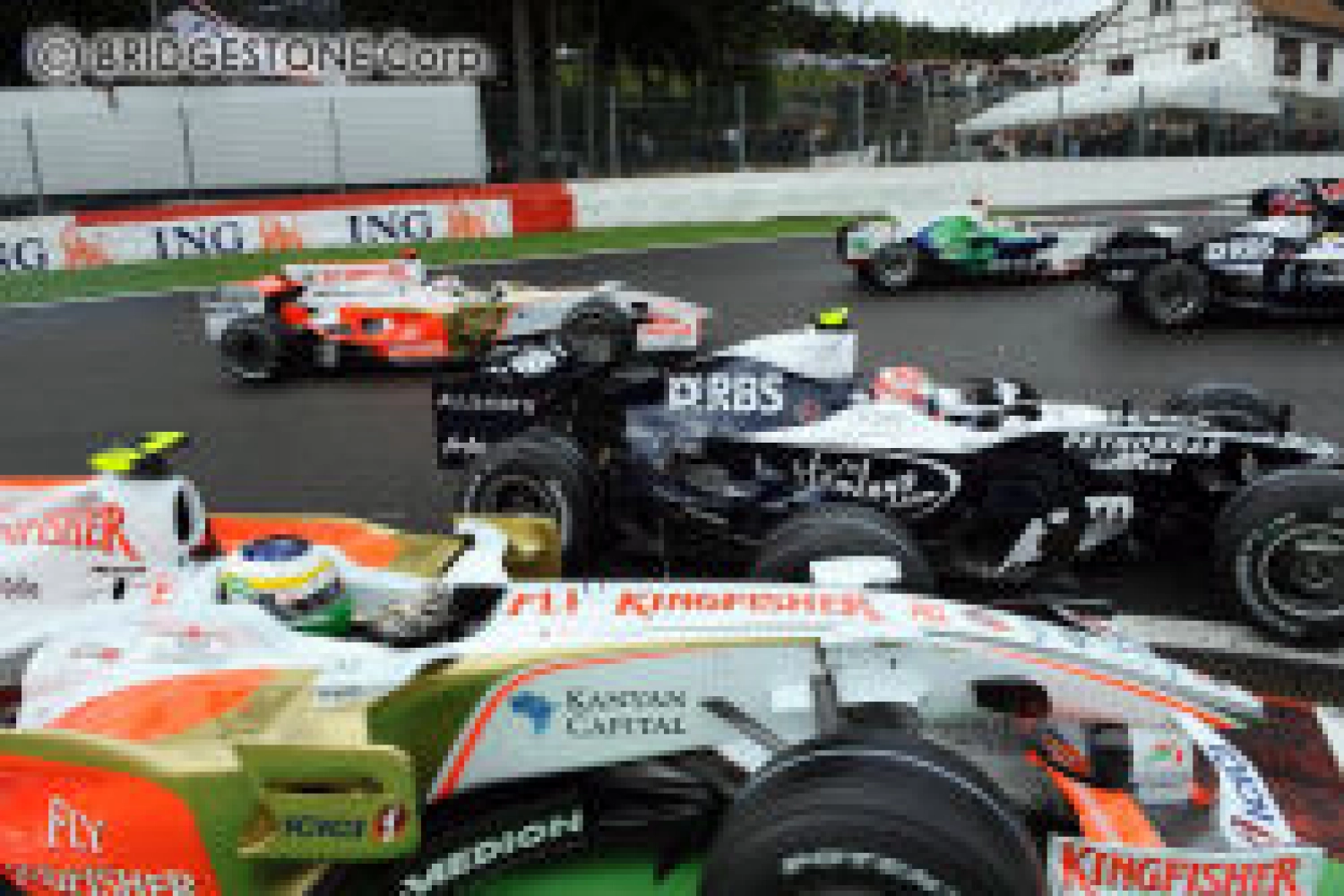
The Istanbul Park circuit, designed to run counter-clockwise, combines a series of fast turns and relatively slow sections. The circuit is now one of the drivers’ favorites. Overtaking is difficult, especially in the first half of the lap, but the long straight leading to the hairpin at turn number 12 is the ideal opportunity to move up through the pack. Coupled with the challenge of turn number 8, arguably the most interesting of the season, all the ingredients are in place for an exciting Grand Prix.
Suspensions:
The circuit is still relatively new and offers a surface in very good condition. The curbs aren’t particularly aggressive. This certainly facilitates the setup process of the single-seater, especially regarding its balance. For once, the team will try to opt for a compromise between hard-typed suspensions for the fast part of the track (which requires a reactive car in quick direction changes), and a softer setup for the slower part, especially for the last corners (which require good mechanical grip), as explained by Nelson Piquet:
« It is quite difficult to find the right compromise when setting up the car because the track is so varied in terms of corners and grip. The last three corners of the track are the slowest and are taken in 2nd gear, at around 80km/h. Turn 12, after the long straight, is the most testing place for the brakes and it offers the best overtaking opportunity of the entire lap. It is quite easy to make a mistake in this sector by going too deep into the corner, which then loses a lot of time. »
Aerodynamics:
Istanbul Park has only a few critical fast corners, but the team will opt for medium aerodynamic downforce to achieve good speed through the long left-hand corner (number 8), which is particularly challenging for the drivers’ neck muscles. However, in corners 3 to 5 and 12 to 14, mechanical grip is crucial.
Fernando Alonso explains: Turn number 8 is the fastest and longest left-hand turn of the entire season. This section is actually composed of a series of turns with four curbs, but we consider this spot to be a single turn, which we negotiate as smoothly as possible. We don’t brake here, we just lift off the accelerator slightly to maintain the trajectory. We’re at 260 km/h in the middle of the turn and really feel the centrifugal force on our body. It’s easy to understeer in this turn. Fortunately, there’s quite a bit of space, and we can recover.
Brakes:
The braking zone at turn number 12, after the long straight, is undoubtedly the most significant on the circuit. It’s also the best overtaking opportunity, and we should therefore witness several aggressive maneuvers during the Grand Prix. Although this circuit is not particularly demanding on the brakes as they have time to cool down on the long straights, the onboard aerodynamic package may cause some rear wheel lockups.
Tires:
The circuit is relatively demanding on the tires, especially in turn number 8, which puts the tires to the test (particularly the front right). To avoid any issues, you can adjust the suspension settings and the front wing angle. Nevertheless, you must remain vigilant and find the right balance between protecting the tires and seeking mechanical grip, to ensure the car is fast in the more technical parts of the circuit. Bridgestone has opted for the hard and soft tires from its 2009 range, as was already the case in Barcelona for the Spanish Grand Prix.
Engine:
Istanbul offers varied challenges for drivers. It requires both good top speed and power to exit slower corners effectively. Turn number 8 is a constant concern; the engine must provide strong power at high RPM in this very fast corner. With nearly 65% of the lap at full throttle, this circuit is average within the calendar.
According to a statement from the Renault F1 Team