The biofuel is becoming even more widely used in F1 with the DHL trucks
Sebastian Vettel must be pleased. DHL has announced that it has converted its fleet of logistics trucks for the European Grand Prix with biofuel, thereby reducing its carbon emissions by over 80%.

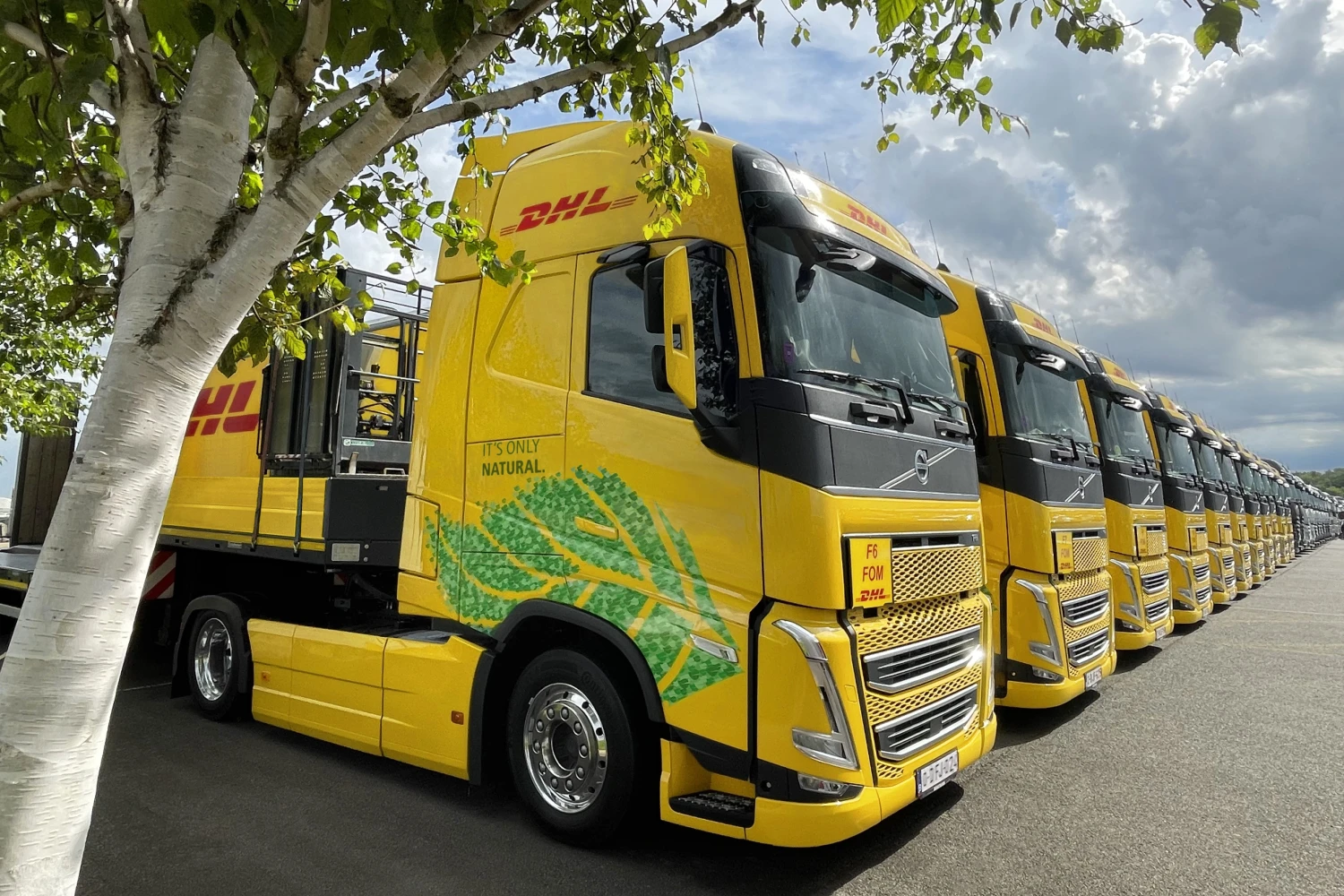
A reduction of 83% in carbon emissions thanks to the switch to biofuel. That is the result that Formula 1 and DHL have just announced, as the F1’s logistics partner converted its trucks to biofuel this summer.
Biofuel always generates carbon during its production, and it still emits carbon when consumed. However, being produced naturally from vegetables such as beets, sugarcane, or starch from wheat or potatoes, it has become a sustainable commodity because the plants used to produce it consume CO2 during their growth. The net balance is therefore almost neutral since the biofuel still needs to be produced, requiring the consumption of non-renewable energy.
On the nine European tests, the 18 new trucks were powered by HVO100 fuel (hydro-treated vegetable oil) and covered over 10,600 km, transporting an average of 300 tons of cargo per trip.
DHL has announced that it « has reduced carbon emissions by an average of 83% compared to trucks running on conventional fuel, across all European trials. »
The objective of F1 is still to be carbon neutral by 2030. There are still several years available to produce this biofuel in a completely renewable way and reach the 100% threshold.
Note that in 2026, the FIA regulations regarding engines state that the fuel used must be biofuel. Therefore, it will also be carbon neutral. This fuel currently requires little adaptation and can already be used in demonstration F1 cars, as is the case during Red Bull’s roadshows. However, it is currently less efficient than the conventional fuel used in F1 and will thus need to be improved in the coming seasons by Aramco, the world’s leading oil producer and developer of this biofuel to be used in F1 in 2026.