Mick Schumacher’s broken F1 split in two demonstrates the progress of the FIA in terms of fire safety
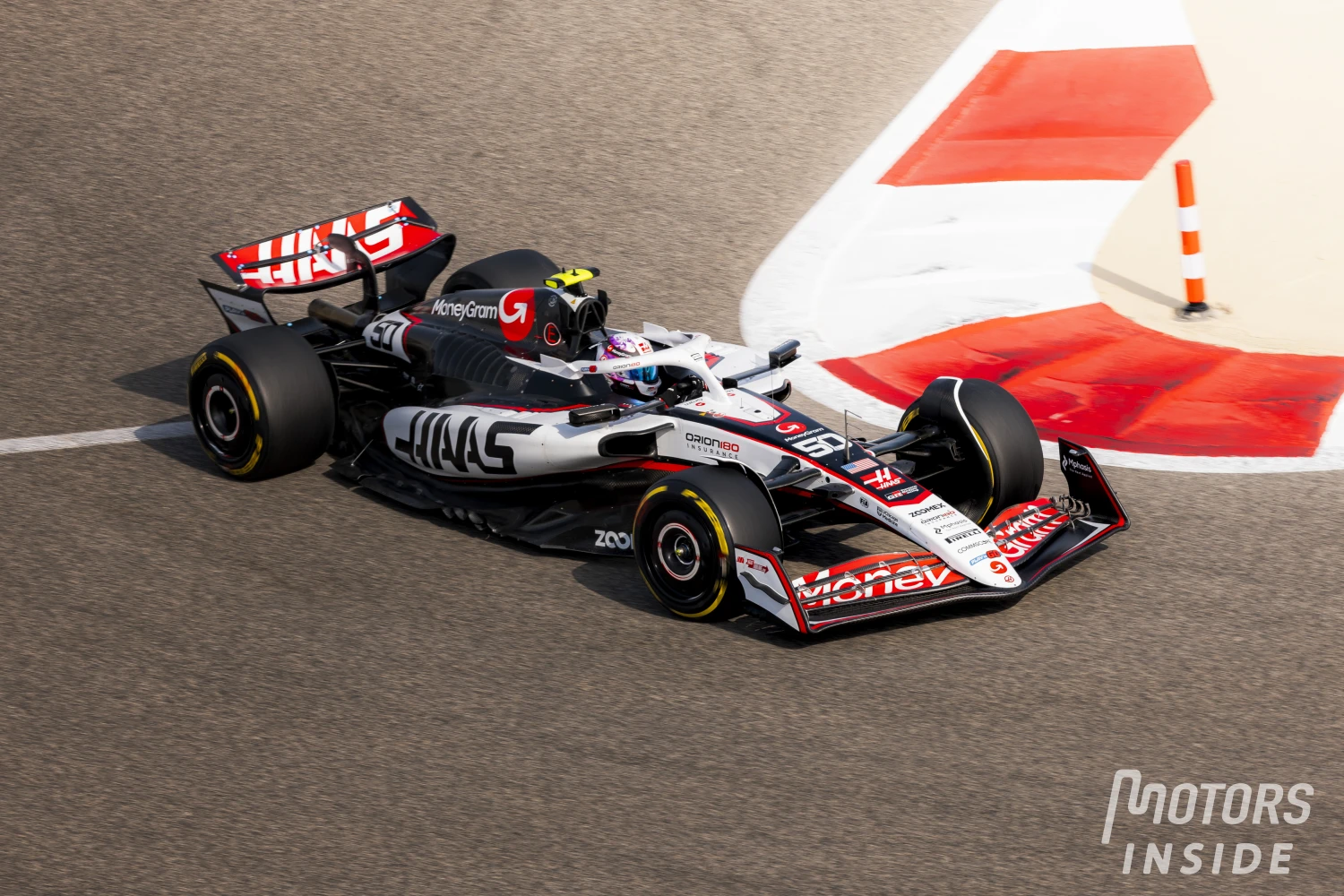
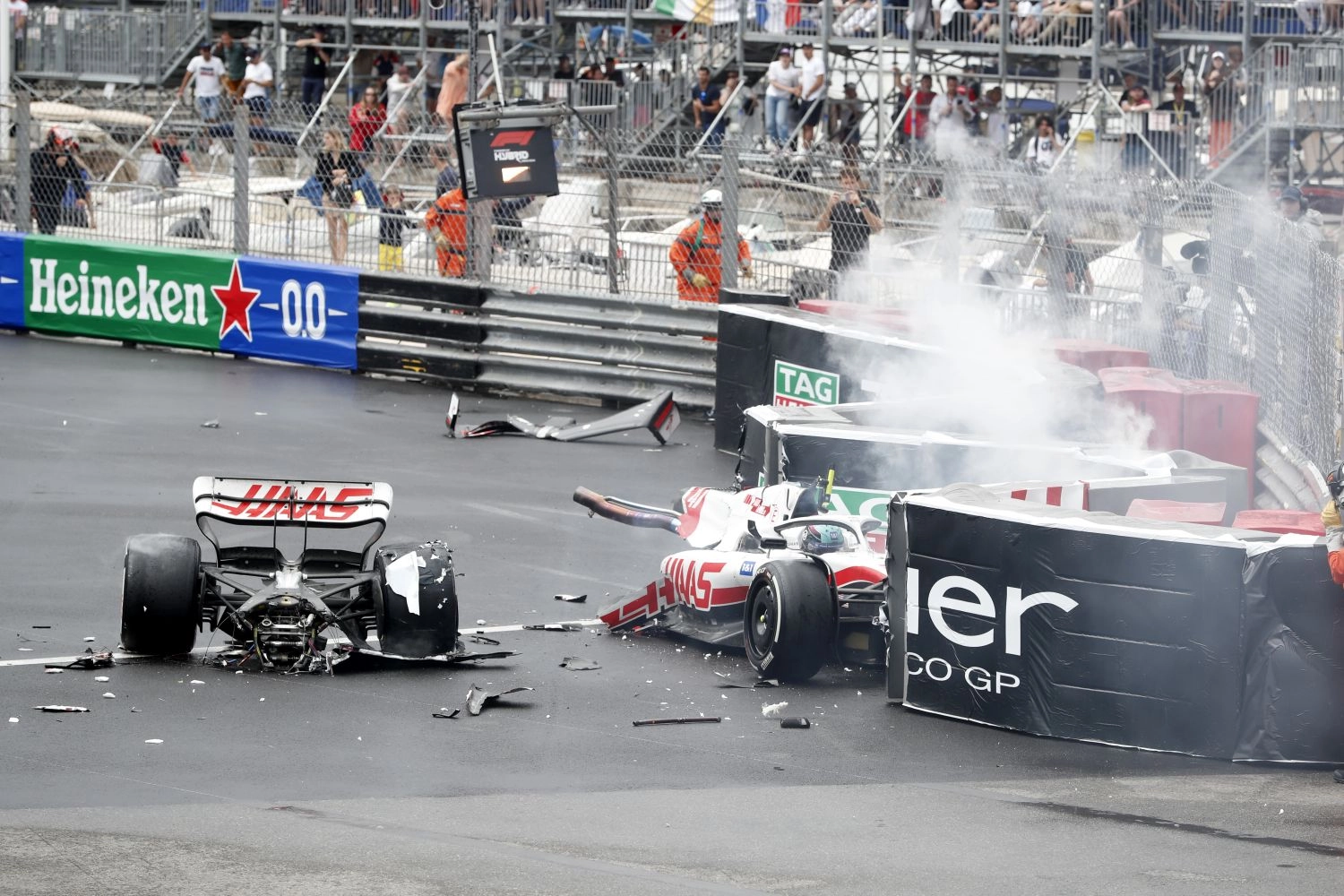
During the Monaco Grand Prix, a collision with the Haas of Mick Schumacher once again split a single-seater in half. However, unlike Grosjean's accident a few months earlier, the single-seater did not catch fire. Allow us to explain.

A Formula 1 engine is a thermal, combustion engine that, by definition, creates explosions. But even with an intact combustion engine, many other factors in a crash can lead to a fire.
At the end of 2020, during Romain Grosjean’s terrible crash, his Formula 1 car, split in half, separated at the level of the full fuel tank. While the tank held up and did not split in two, it was one of the fuel connections that caused the fire, aided by the sparks from the collision between the car and the metal barriers.
Flexible gasoline tanks
The fuel tanks in Formula 1 are not rigid. They are flexible and divided into several compartments. They should be seen as a large bag made of highly resistant materials such as Kevlar and rubber, which provide both strength and flexibility. These tanks are supplied by the company ALT Ltd based in Milton Keynes. They are designed to conform to the shape of the single-seaters and maximize the available space, thus allowing for better weight distribution.
Revised standards in 2022 to reduce fire outbreaks.
During the analysis of Romain Grosjean’s accident, the FIA – International Automobile Federation – implemented reinforced safety standards to address these fire incidents in the event of a severe accident.
These measures were explained by Jean Todt before his departure from the FIA: « It is important to know that today, if this accident were to occur, the car would not catch fire. Because we have taken this accident into account, its lessons, and we have conducted research and work that ensures the car would not catch fire. »
The FIA notably reviewed the connections of the fuel lines to the engine, and now a valve system prevents any fuel leakage in the event of the system being torn away from the fuel tank/bladder.
A life-sized crash test in Monaco.
During the 2022 Monaco Grand Prix, Mick Schumacher had a spectacular accident where the Haas split in two. This accident allowed us to witness the effectiveness of the measures implemented by the FIA, as there was no major fuel leakage that could have ignited either part of the separated car.
However, fire risks in Formula 1 still exist. They are mainly related to engine failures, both in the upper and lower parts, which can cause cracks and hydraulic leaks. Since oil spreads rapidly, the risk of fire in Formula 1 is still very high and should not be overlooked.
A complicated intervention context, as we saw in Austria a few weeks ago, can notably increase the danger for the pilot. Carlos Sainz indeed found himself stuck uphill with his race car and unable to park it properly, with his engine on fire. By the time the track official intervened with a wedge and a fire extinguisher, the driver found himself in the flames.