Canada, land of challenges for Caterham
After Heikki Kovalainen's 13th place in Monaco, the Caterham team approaches the Canadian Grand Prix with optimism and confidence. However, the Finnish driver, his teammate Vitaly Petrov, and Mark Smith, the team's technical director, know that the Gilles Villeneuve circuit is a complicated track that holds many challenges: tire wear, brake wear, curbs, and possible weather uncertainty.

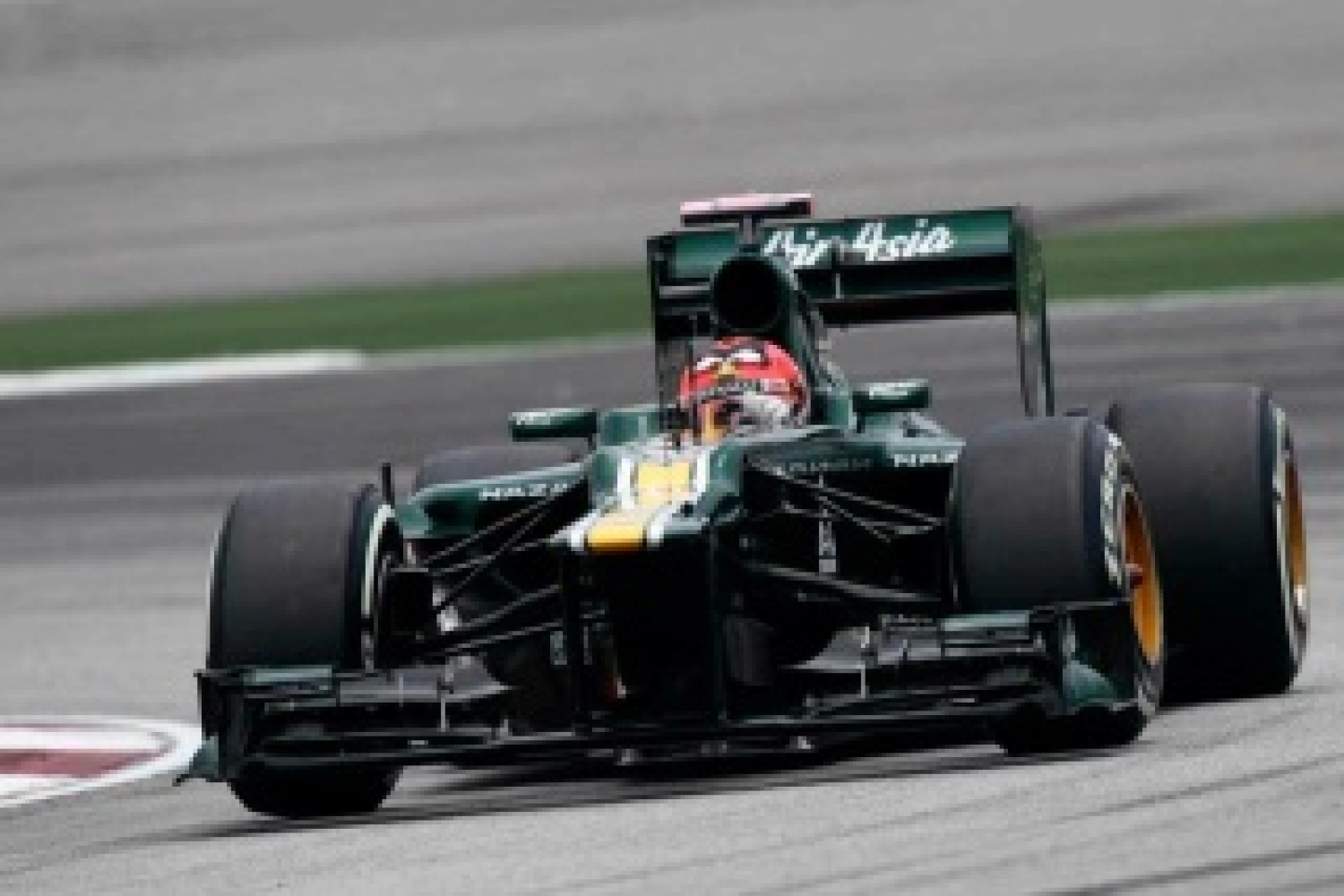
Heikki Kovalainen is thrilled to be in Montreal this weekend for the Canadian Grand Prix because the Finnish driver believes that the atmosphere of the Grand Prix and the broader Canadian city is always enjoyable: « Apart from being a great race, Montreal is also a beautiful city. All the teams love coming here because the fans are truly passionate, the stands are always full, and the city itself turns into a real party when we’re here. »
Vitaly Petrov is also happy to return to Montreal, as he achieved a good result last year and because he too loves the city located on the Saint Lawrence River: « I have fond memories of Canada after finishing 5th here last year and I am looking forward to coming back. Everyone loves racing here – it’s a beautiful city with really good restaurants, and enough bars to keep everyone who isn’t driving happy. »
Kovalainen appreciates the Gilles-Villeneuve circuit because it offers interesting challenges behind the wheel of an F1 car, and he looks forward to tackling them in his Caterham CT01: « Montreal is a really enjoyable track. It’s a temporary street circuit with some straights and low downforce settings, which makes the cars tricky to drive in the fast corners and braking zones, but it’s a beautiful track to race on. »
The Finnish driver believes that balance will be an important point, as well as top speed, because the Canadian track has several straights, where KERS and DRS will often be used in trials: « As everywhere we race, you have to find a good balance to achieve the best possible time, but you need settings that allow you to really attack the curbs, especially in the last corner, as it determines the pit straight. You also need to make sure you have a high top speed for the other straight, so you have to carefully look at the gear ratios and balance the 7th gear to handle the speeds we can reach with both DRS and KERS activated.
Vitaly Petrov, on his side, believes that the tires and brakes will be the two key elements of this Canadian weekend: « The circuit itself is a real challenge from the cockpit. It’s very slippery on Friday morning and as the grip improves throughout the weekend, it is important to keep the rear tires in good condition. There are a few points to fine-tune to be fast on a lap – you need to manage brake wear and cool them enough to be able to brake hard whenever necessary, you must have good traction in slow corners, and you need to attack hard on the curbs to gain a few tenths to set a good time. »
Mark Smith, the technical director of the Caterham team, joins the Russian driver. From a tire perspective, the asphalt of the Gilles-Villeneuve circuit significantly degrades the tires and this should force strategists to rack their brains in order to find the optimal strategy for qualifying and the race: « The Montreal circuit is a new fascinating challenge from a technical standpoint. Since it’s a temporary city circuit, it’s always very slippery when we start on Friday, but the level of improvement is not as high as in Monaco. The circuit’s asphalt is very smooth and there’s little grip, so the rate of degradation is very high throughout the weekend. As we have already seen this year, managing tire wear will be key for qualifying and the race, so tire strategy will play an even more crucial role in Montreal than since the start of the season. »
Mark Smith also believes that the brakes will be an important point to monitor in Montreal, as with the large braking zones, they are put under strain and good cooling is crucial: « The other major factor in Canada concerns the brakes. The track has several long straights with heavy braking leading into tight corners, so it is very hard in terms of brake wear. We need to ensure we optimize brake cooling on every lap, and while we don’t have a specific brake cooling system for Canada, we will use the largest from our range to give ourselves every chance of managing brake cooling well. »
The Canadian Grand Prix weekend is not without its challenges, but they are not all technical; indeed, the weather can also play an important role, as was the case in 2011. Vitaly Petrov explains that he feels ready regardless of the conditions: « The other key point is the weather. Last year, it got so bad that we had to stop the race, and while it wasn’t ideal for the fans, it was the safest option for the drivers. Hopefully, we won’t have as much rain this year, but if we do, we’ll have to deal with it. I like racing in the rain, it gives us more opportunities to compete with the cars in front, and it feels even better when you have a good car in the rain. Whatever happens, it’s always a pleasure to come back to Montreal. »