An optional alternative to the “stepped nose” in 2013
The FIA proposes an alternative, purely visual, to the aggressive nose designs that appeared in 2012. However, certain points, not specified in the regulations, still need to be clarified to ensure driver safety.

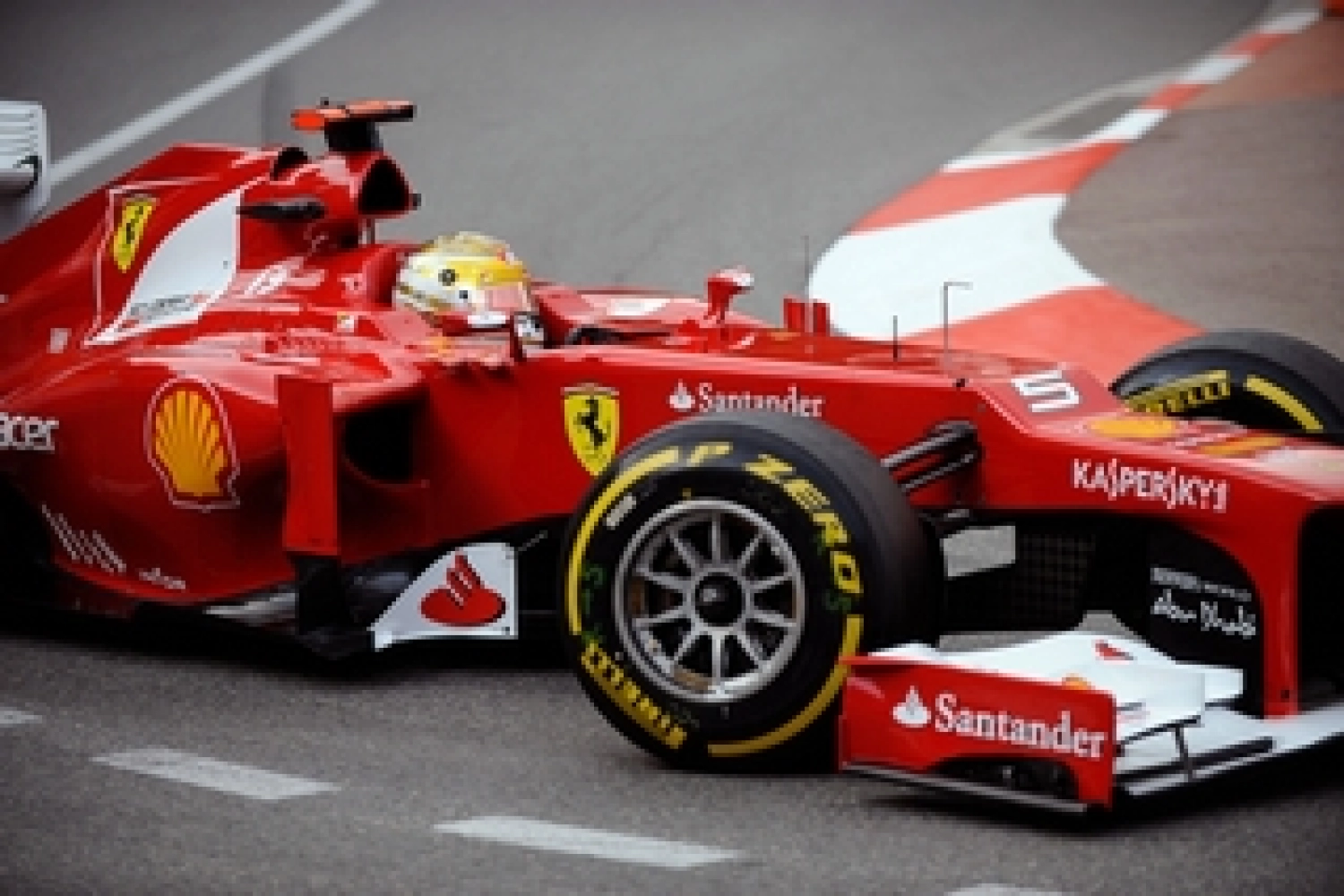
The 2013 regulations propose that the step observed on the noses of the single-seaters in 2012 disappears. But before describing this proposal in more detail, here is a brief history of key developments.
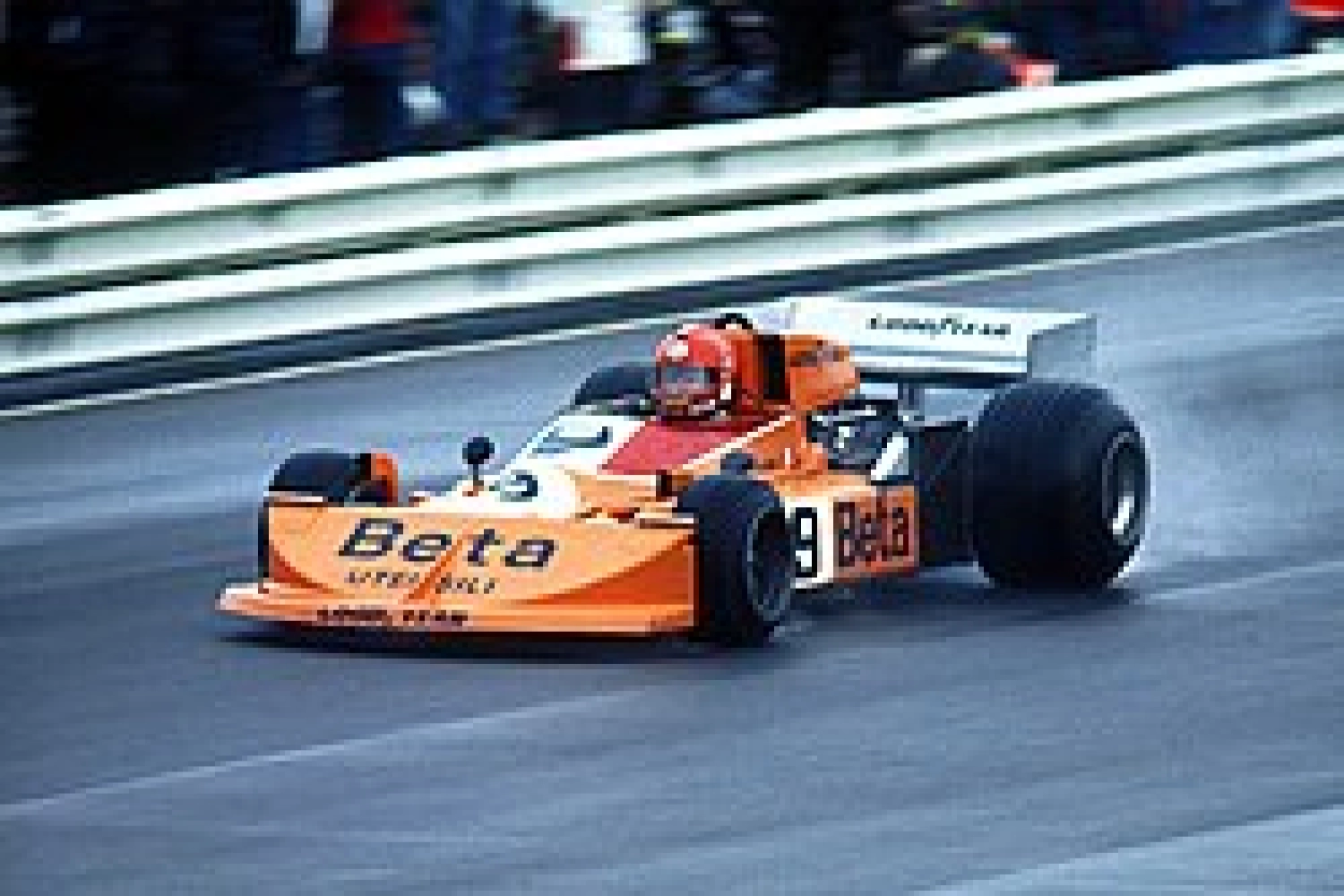
Before 1991, the tip of the nose was at the same height as the front wing. But Benetton changed this configuration by being the first to place the nose above the front wing. In 2001, regulations required the front wing to be raised by 10 cm, which consequently increased the height of the nose. This gave rise to numerous configurations over recent years with spoon noses or dolphin noses.
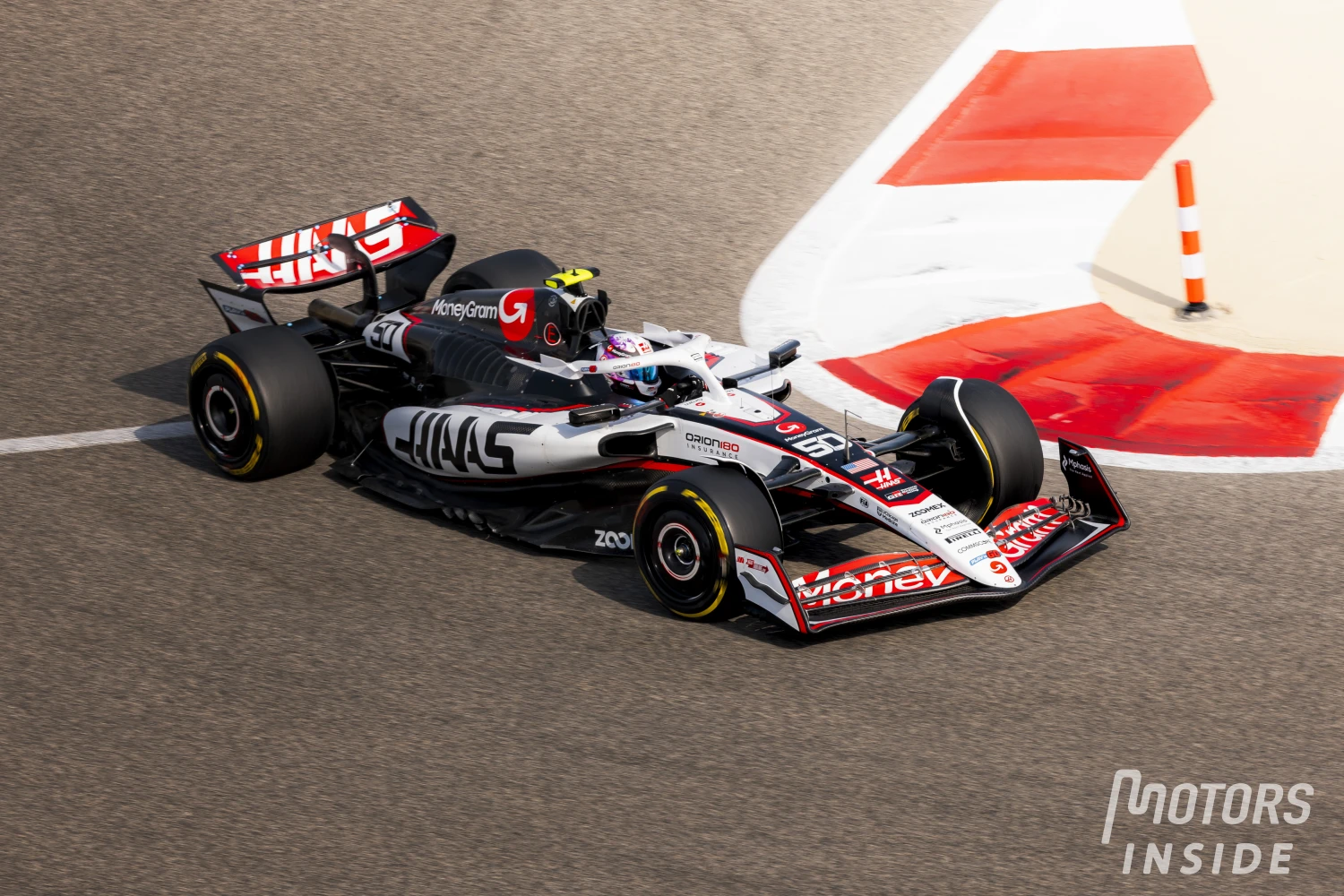
As the seasons progressed and more aggressive chassis were developed, the height of the noses kept increasing, leading to a critical question: driver safety. This concern gave rise to stepped noses in 2012. The reason was straightforward: a certain type of crash, known as a T-crash, involving the lateral impact of one car towards the cockpit of another posed the risk that the nose of the first car would rise above the impacted car and directly hit the driver’s helmet. The presence of this step provided assurance that the nose, the absorption zone in the event of a frontal crash, would remain at the height of the impacted car. This system allowed for better aerodynamic flow under the chassis but raised the car’s center of gravity, making driving a bit more delicate. Only McLaren and Marussia did not adopt this concept, opting instead to lower the nose design, which provided better front suspension balance but poor airflow under the chassis.
One of the main concerns of the FIA may have been the reaction of the fans to the stepped nose design that made the cars look ugly. To address this, the FIA is not reversing its decisions regarding safety in the event of a T-Crash but is proposing the addition of an optional, non-structural fairing to recreate a more aesthetically pleasing nose line. This piece, with its material specified, is described very precisely in terms of position and dimensions to prevent any aerodynamic advantage. It would be placed between the nose step and the front of the car. However, one point remains to be clarified: the means of attaching this fairing. The question of safety resurfaces in the event of a crash where the detachment of this part could have serious consequences.