Valencia is reportedly negotiating to break its contract with F1
Hard hit by the crisis, the government of Valencia is reportedly negotiating a termination of its contract with Bernie Ecclestone to host the F1, according to the Spanish press.

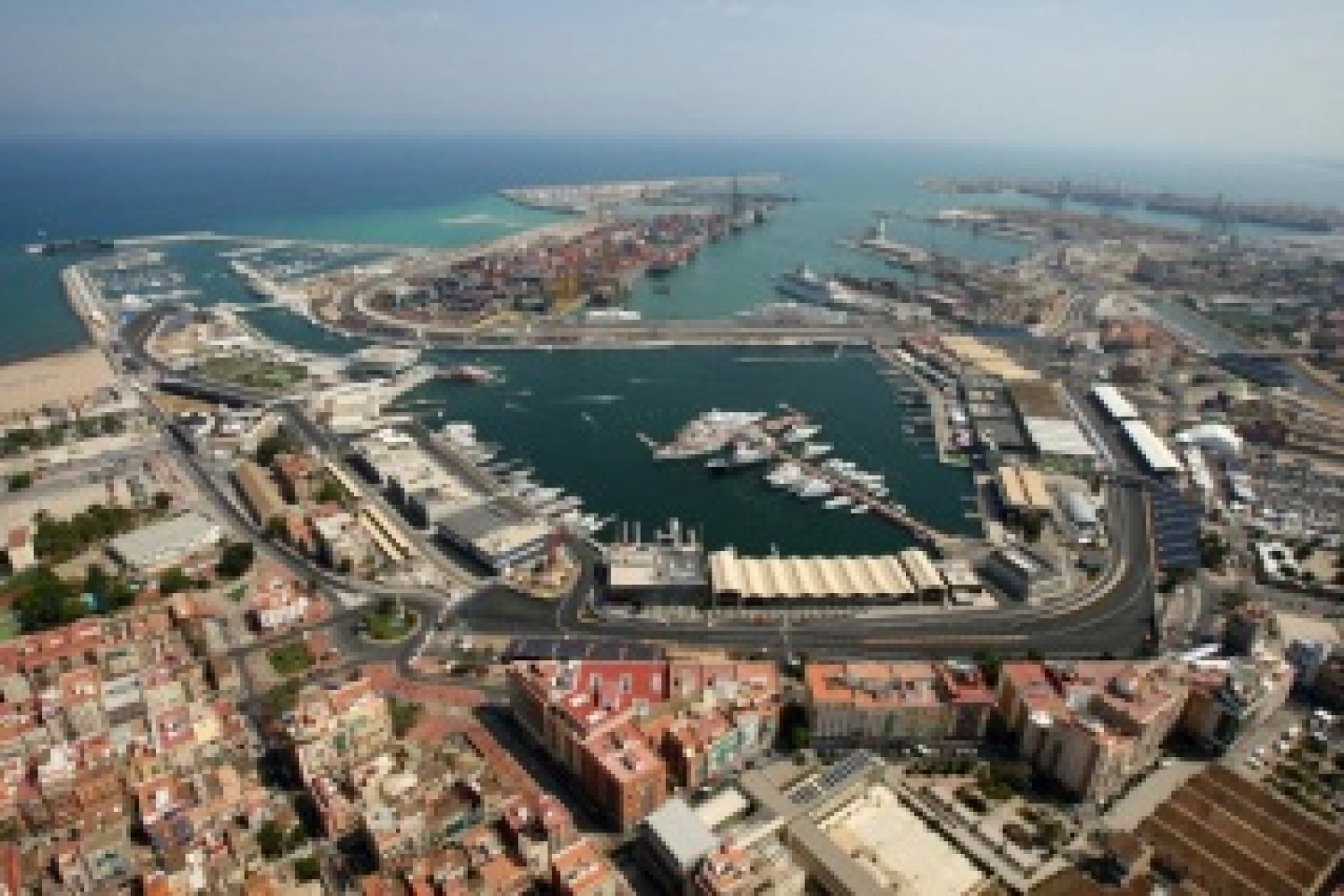
Following Bernie Ecclestone’s desire to have no more than one Formula 1 Grand Prix per country, the implementation of an alternation between the Valencia and Barcelona circuits for the Spanish Grand Prix had been discussed several months ago.
However, no official announcement has been made regarding the implementation of an alternation – similar to what exists in Germany – and since May 11, the Catalonia circuit has put tickets on sale for the 2014 Spanish Grand Prix, reigniting rumors about Valencia’s future in F1. After hosting the European Grand Prix for 5 years, from 2008 to 2012, Valencia would not be part of the initial draft of the 2014 Formula 1 season calendar according to paddock whispers.
A removal from the Valencia city calendar confirmed by the newspaper Diario Sport, which states that negotiations are underway between Bernie Ecclestone and the president of the Valencia government to… terminate the contract linking the city to Formula 1.
Alberto Fabra, president of the Valencian government, is reportedly discussing with Bernie Ecclestone to negotiate a reduction on the amount demanded to terminate the contract – a penalty of 33 million euros is stipulated in the current contract, but Fabra is negotiating to decrease these penalties. The port city has never hidden that Formula 1 had become too expensive for it, particularly following the recent economic crisis, and it now seems that the city has definitively drawn a line under Formula 1.