In search of the Red Bull secret
At the moment, Sebastian Vettel is dominating F1, with the German driver having secured 4 out of the last 5 pole positions and having won the last 6 Grand Prix. Some thought they had discovered the secret of the Red Bull at the level of the floor, but the FIA conducted tests that did not prove conclusive in India.

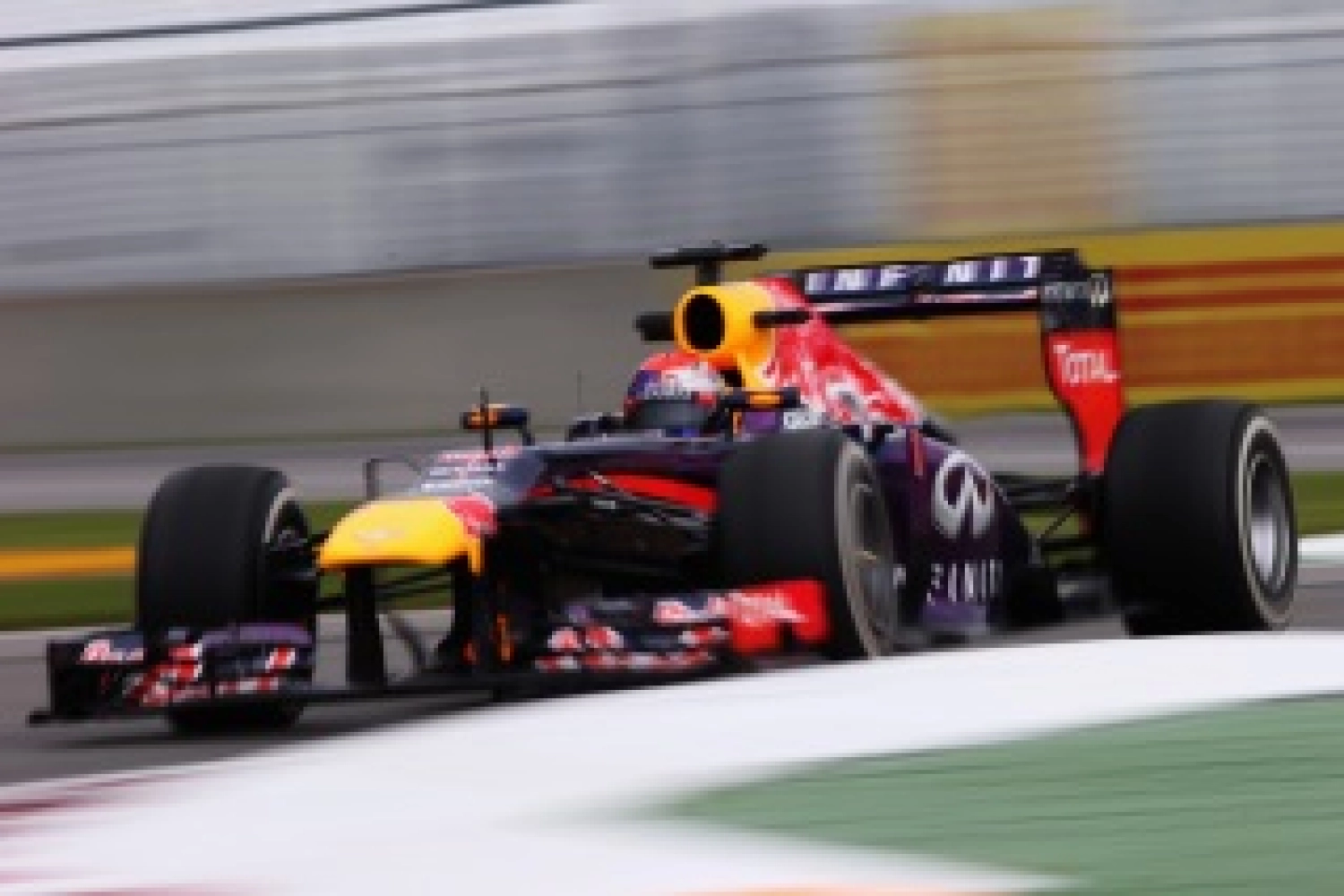
Everyone keeps wondering what makes the Red Bull so fast and dominant since the beginning of the season and even more so in the last races. Gary Anderson, technical consultant for the BBC, suggested that Red Bull has found a system to lower the ride height of the RB9.
After seeing thermal images of the RB9, Anderson hypothesized that Red Bull had found a way to raise the front part of the floor when it heated up, allowing the front ride height to be lowered and improving the car’s handling, especially in corners.
Even if it remained a simple hypothesis, according to Auto Motor und Sport, the Sahara Force India team considered such a thing possible and the FIA decided to investigate. Indeed, Jo Bauer, the FIA’s technical delegate, conducted tests by heating this part of the flat floor to 300 degrees, but it did not move.
The key to Red Bull’s recent dominance could ultimately be the tire change made by Pirelli mid-season. Indeed, Adrian Newey believes that reverting to last season’s tires contributed to the Austrian car’s strong comeback.
« Returning to the 2012 tires clearly helped us. Our car performs very well in fast corners, and the 2013 tires struggled in those moments. It was quite easy to damage them if you asked a little too much of them, and so we couldn’t really use that advantage we had over other teams in these corners, » said Newey as quoted by L’Equipe.