Mercedes tested the ‘megaphone’ on its Formula 1 car
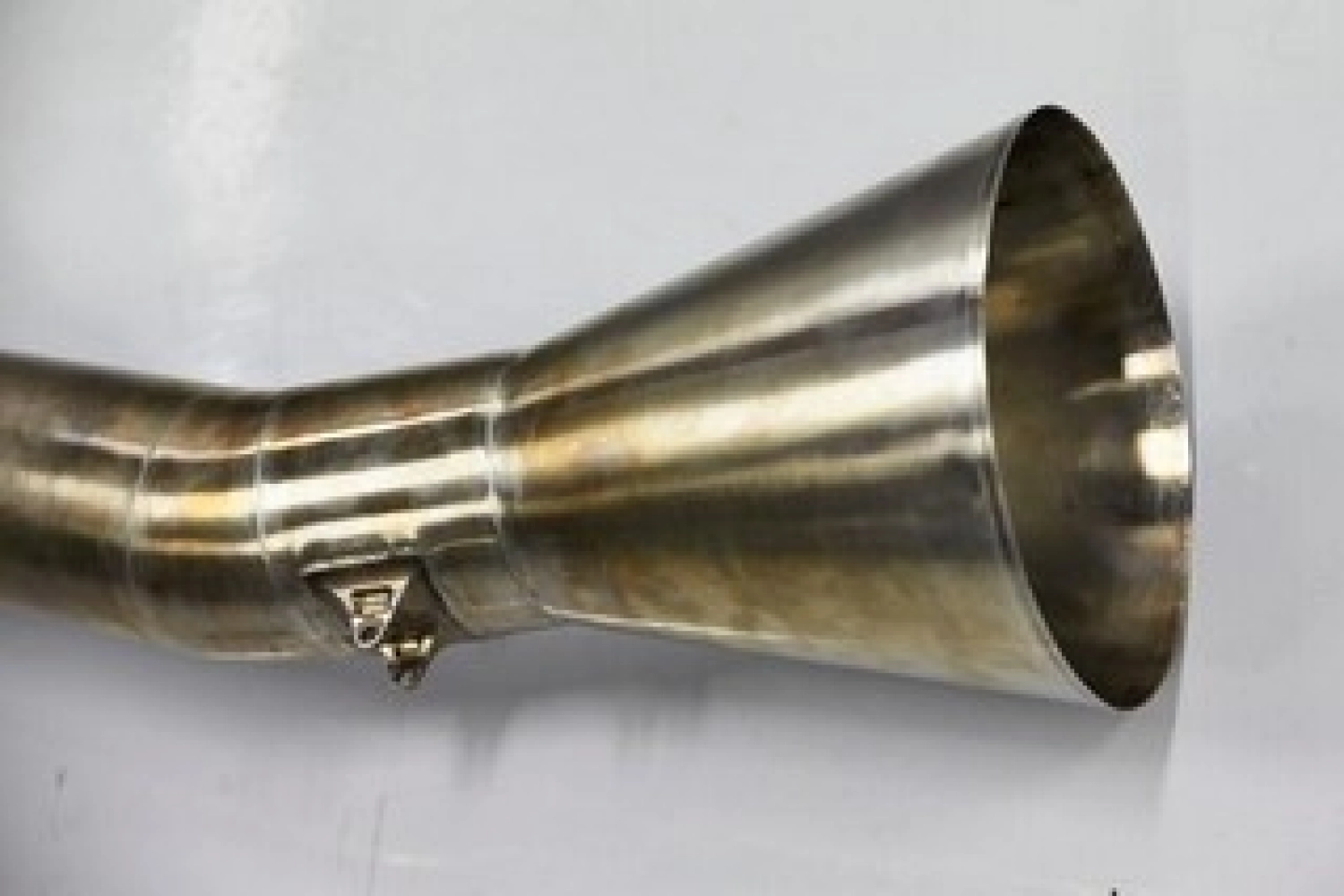
The FIA has requested solutions to the issue of Formula 1 noise. For the second day of private testing in Barcelona, Mercedes was testing the 'megaphone' at the output of their engine today.

The 2014 Formula 1 season saw the introduction of an entirely new set of regulations. With the change from V8 to V6 turbo engines, fans complained about a drastic decrease in the noise produced by the engines, making their favorite sport less spectacular and less attractive.
Some circuit promoters have even gone as far as to threaten the FOM, the holder of Formula 1 rights, with completely removing their Grand Prix from the calendar.
In response to these criticisms, the FIA asked the different engine manufacturers to find solutions to increase the noise produced by the engines. That is why, during the private tests following the 2014 Formula 1 Grand Prix in Barcelona, Mercedes is the first team to test one of the proposed solutions.
This morning, Mercedes installed a ‘megaphone’ or ‘trumpet’ shaped exhaust on Nico Rosberg’s car. The German driver completed two laps with this relatively surprising setup. According to some sources, this system does not present a major difference from the current system. However, according to the website F1 Times, the engine noise of the W05 Hybrid has noticeably increased.
If a solution were to be adopted, it would probably not be before the German Grand Prix on July 20. The next private testing session is scheduled for July 8 and 9, following the British Grand Prix.
In the meantime, the fans will have to make do with the sound of a ‘natural’ V6, before forming their own opinion on the solution that might be chosen.