The fuel supplies will return in 2017
During the F1 Strategy Group meeting, a set of measures was decided, primarily for 2017. Refueling will now be permitted again, and the cars are expected to run 5 to 6 seconds faster than today.

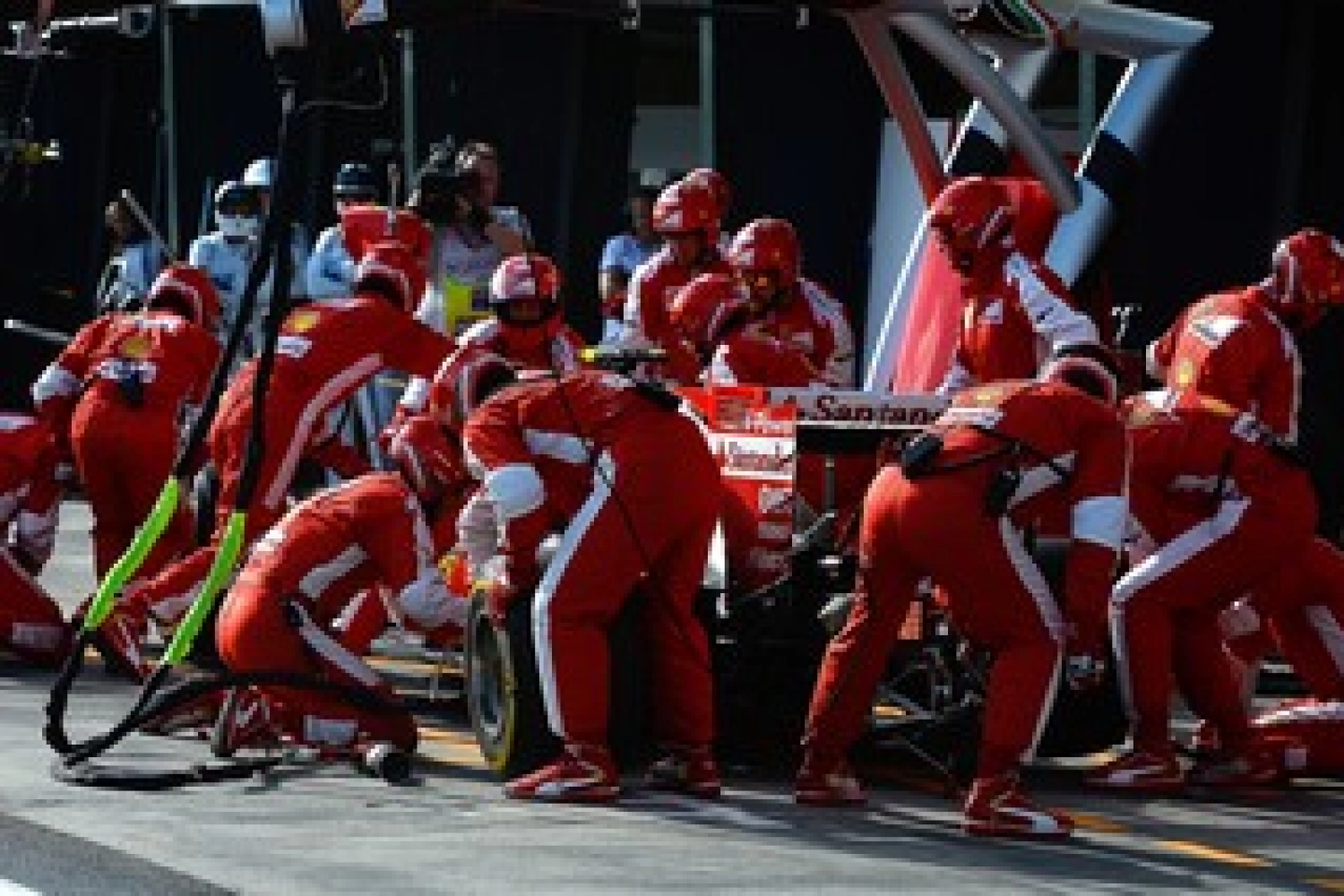
At the end of the 2009 season, F1 decided to ban refueling because it was deemed too lengthy and also required significant logistics for the teams.
With the change in engine regulations, centered around hybrid engines, this ban allowed to strengthen the image that F1 was now focused on energy efficiency, which is at the heart of all car manufacturers’ strategies at present.
Nevertheless, the leaders of the Strategy Group have decided to go back, but with a major difference compared to 2009: the total fuel allocation for the entire race currently in effect will be maintained. Refueling will be very short, as Toto Wolff, the director of Mercedes, explains to the BBC: « Refueling was banned due to costs and because pit stops took too long. But we want to revisit that and see if we can make pit stops for fuel and tires in the same time it currently takes us to change tires: two or three seconds. We have agreed to explore this avenue and the costs because it could be spectacular. But if it’s too expensive, we won’t do it. »
Other measures have also been decided, such as increasing the engine RPM, with the aim of increasing the noise emitted by the new engines. F1 is thus going in the direction of what the fans are saying, even if it means that the cars will be less efficient than currently since the noise emitted is merely a loss of energy.
To address the criticism regarding current car lap times, it has also been decided to provide wider tires, an evolution of aerodynamic rules, and a reduction in car weight. All these measures should gain five to six seconds per lap.
Nevertheless, they should lead to an increased development cost for the teams. Indeed, allowing for fuel refueling means that the tanks can be smaller and their placement under the hood optimized. Similarly, if the tires change, the entire aerodynamics of the car is modified.
However, the FIA statement also indicated that cost-saving measures would be considered, in consultation with the other teams not part of the Strategy Group: « Moreover, in light of the different scenarios presented by an independent consulting firm appointed by the F1 Strategy Group and at the initiative of the FIA for cost reduction, and following constructive exchanges, a comprehensive proposal to ensure the sport’s viability has emerged. The Strategy Group member teams have committed to refining this proposal in the coming weeks, in consultation with the other teams involved in the sport. »
But the transparency in F1 stops there, as none of these measures have been detailed. There is still a long way to go to see if real measures will be taken in the coming weeks and months.
With the participation of www.Racingbusiness.fr