According to Jean Todt, Formula 1 is not incurable
As president of the FIA, Jean Todt also shared his views on modern Formula 1. And clearly, his opinion contrasts with the pessimistic remarks recently made by Martin Whitmarsh, as well as Niki Lauda's statements that F1 should remain a risky sport.

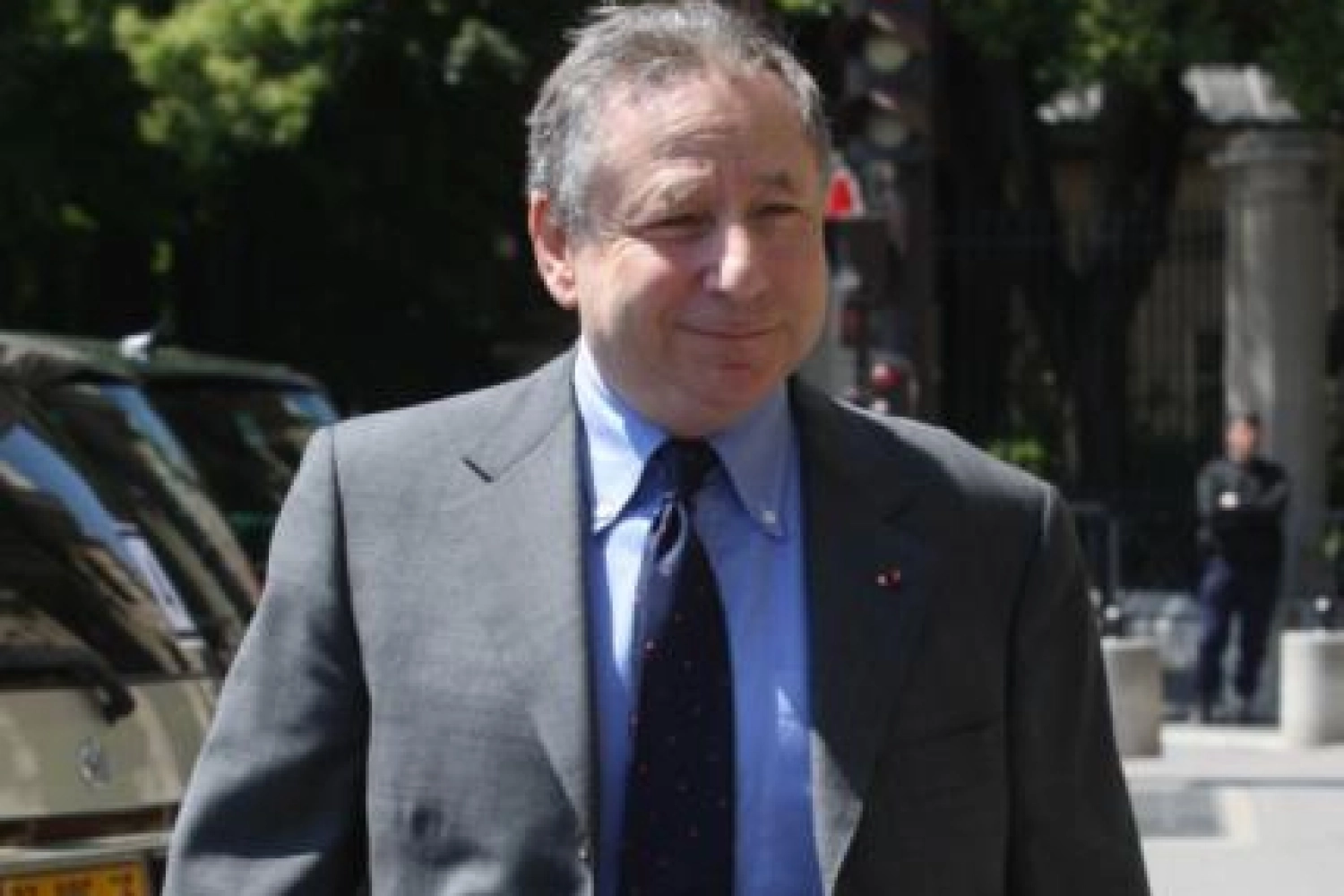
A single aspirin will suffice. Chemotherapy can wait. While several figures in the world of Formula 1 criticize the current rules of the premier category of motorsport, Jean Todt puts things into perspective and claims that the diagnosis is less severe than expected. In other words, according to him, F1 is not currently facing a “cancer” but rather a “migraine”. “We don’t need big changes. And if it does need them, I need to know where because, personally, I don’t know,” he explained.
Furthermore, regarding the poor reception of the V6 engines in 2014, he concedes that the sound emitted by them greatly contributed to the drop in audience, which then discouraged both sponsors and potential new teams: *”In theory, you can discourage people from following the sport if it’s not interesting. If they think it isn’t, they won’t watch. And it can subsequently discourage sponsors because if you are a large company and you want to invest in motorsport, you’ll say to yourself, ‘Why should I invest when I hear fans saying they are not happy?'”*
Moreover, regarding the increasingly reduced importance of the driver. “Today everything is said” laments Todt. He points here to the public broadcast of radio communications. This implies that the spectator interprets freely without truly understanding.
While he admits to being in favor of adding 5 kg of fuel, the solution to current issues primarily lies in repeated negotiations by the Strategic Group around subsequent rules, which are evidently aimed at making F1 more attractive. If discussions are progressing well, Todt hopes new measures could emerge as early as next year. To achieve this, presenting a convincing project to the F1 Commission is crucial.
July 1st is the next date on which the Strategic Group will meet. Meanwhile, it must be acknowledged that agreeing on the diagnosis is one thing, finding the appropriate remedies is another.