Sahara Force India and Sauber file a complaint against F1
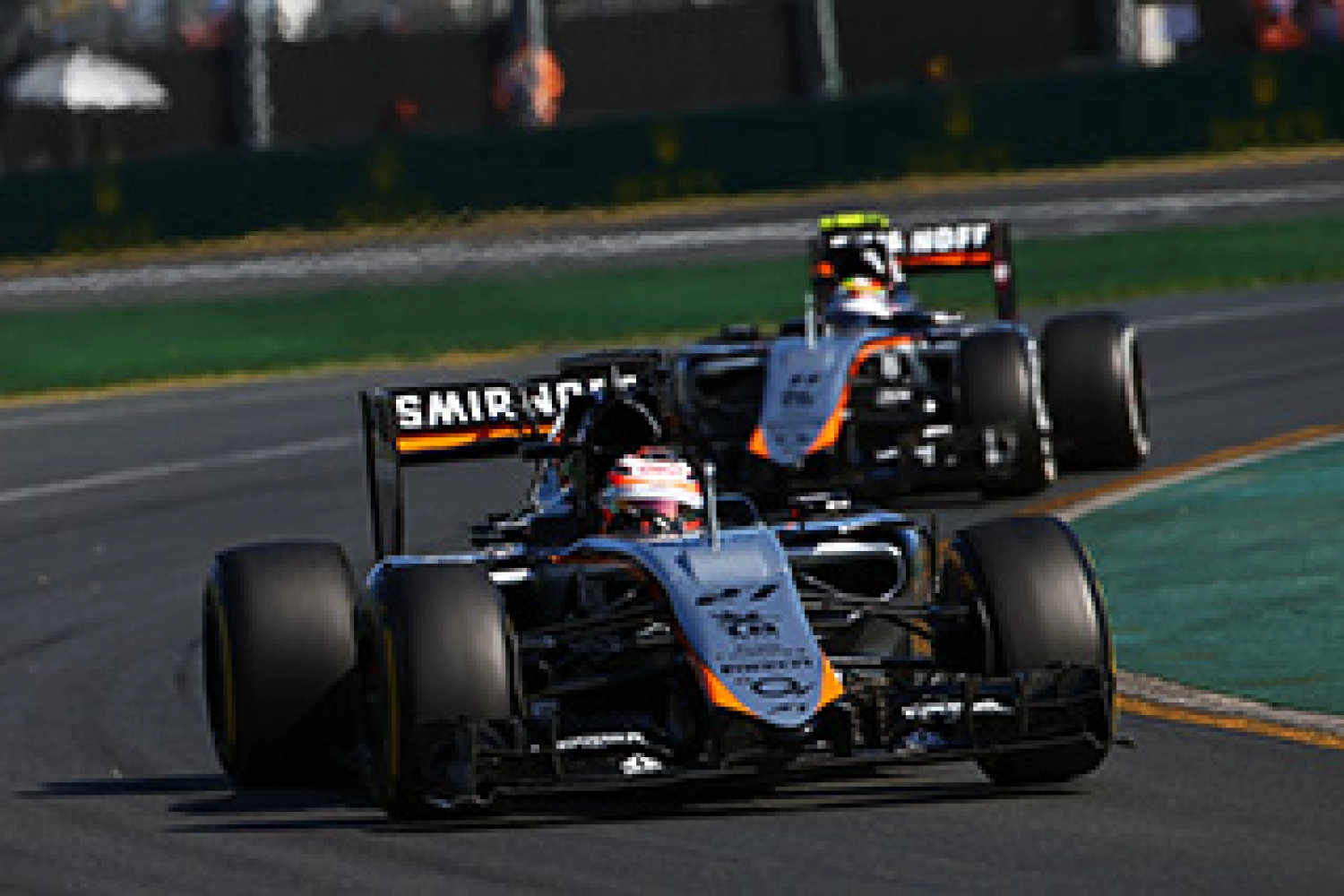
After months of threats, the step has been taken by two teams: Sahara Force India and Sauber have asked the European Union to investigate F1's financial arrangements.

Last July, it was indicated that the European Commission would not launch an investigation into Formula 1 on its own. For a procedure to be initiated, at least one team needed to file an official complaint, as Anneliese Dodds, a member of the European Parliament, explained following her visit to Sahara Force India: « The commissioner in charge of the case clearly indicated to me that she could do nothing until the teams themselves filed a formal complaint. So if the teams believe it is the right thing to do, then they should do it.»
It is now done as Sahara Force India confirmed today that it is one of the parties to an official complaint with European authorities: « Sahara Force India is one of the two teams that filed a complaint with the European Union to challenge the governance of Formula 1 and to demonstrate that the system of revenue distribution and the way Formula 1 rules are implemented are unfair and illegal. Due to ongoing legal discussions, it would not be appropriate to comment further at this time. »
This is not the first time that F1 has come under the scrutiny of European competition authorities. Indeed, in June 1999, an initial investigation was launched because it was believed that the FIA was abusing its power to acquire all broadcasting rights for the races, in association with Bernie Ecclestone’s FOA.
This procedure had nonetheless ended in October 2001 when the FIA committed to taking the following measures:
– que le rôle de la FIA se limitera à celui d’un organisme de régulation sportive, sans conflits d’intérêts de nature commerciale;
– que les règles de la FIA ne seront pas utilisées pour prévenir ou empêcher l’apparition de nouvelles compétitions, sauf pour des raisons liées à l’organisation sûre, équitable ou ordonnée du sport automobile;
– que les recours internes et externes contre les décisions de la FIA seront renforcés.
The FIA seems to have violated the first of these commitments in the negotiation of the new Concorde Agreements. Indeed, the FIA has become a 1% shareholder in F1, which gives it a vested interest in the sport’s commercial success. Similarly, in exchange for a payment of $40 million, it agreed to the creation of the F1 Strategy Group, where it sits alongside the FOM and the six largest teams to establish future rules of the sport.
The small teams are therefore excluded from this process, which they contest all the more because five of these six teams (Ferrari, Williams, Mercedes, McLaren, and Red Bull) have also negotiated an additional annual payment for the historic nature of their presence in Formula 1.
It remains to be seen whether the European Commission will deem the case admissible and launch a formal investigation, which could challenge the fundamentals of commercial sports management.
With the participation of www.racingbusiness.fr