The rain costs Austin millions
Hurricane Patricia will have caused extreme weather conditions during the last Grand Prix in Austin. The economic consequences are expected to be very significant for the Texas circuit.

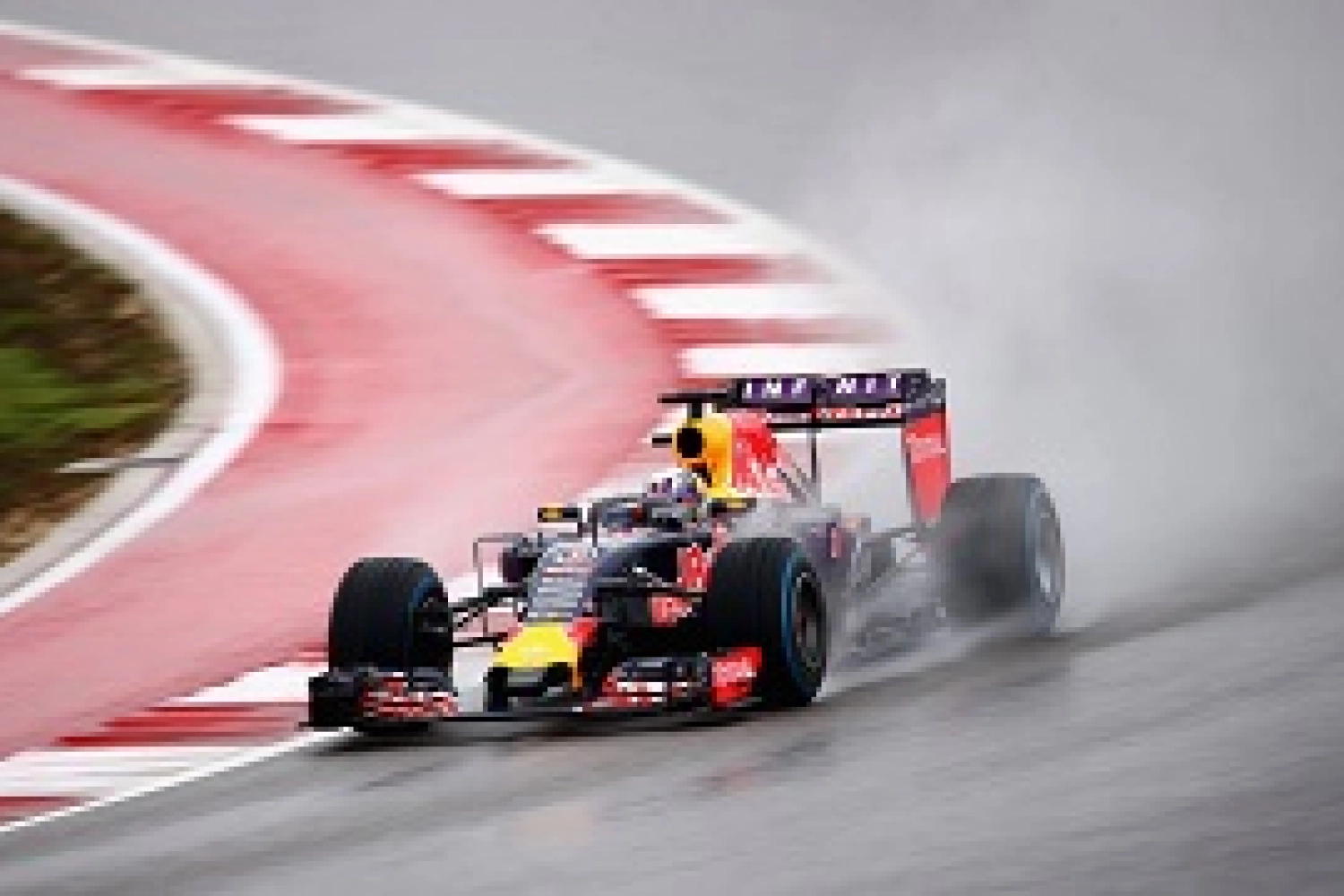
If the race was able to take place, the schedule for the United States Grand Prix weekend was disrupted by the weather. Thus, the second practice session on Friday afternoon was canceled, while the qualifying sessions were postponed to Sunday morning.
Jason Dial, the president of the circuit, acknowledged to Sports Business Daily that it had a definite impact on the number of spectators attending the race: We had 33 cm of rain on Friday and Saturday. It really hit us. We were on track to do better than last year. But when you look at who comes when it rains or not, it clearly hurt us.
This is how COTA recorded the lowest number of spectators on a Sunday in its four-year history. Thus, the circuit marks its fourth consecutive year of decline, as 117,429 people were present at the inaugural event in 2012, while the 2015 edition only gathered 101,667 spectators.
This decrease in the number of spectators has an immediate effect on the circuit’s finances because the circuit can only rely on ticket sales and commercial concessions to make their event profitable. However, when it rains, spectators are less inclined to consume on-site: « You can sell a bit more hot chocolate but, generally speaking, your average spending is higher on sunny days. »
Moreover, the rain forced the organizers to urgently set up a shuttle bus service so that spectators would not use their own cars and park in areas made unusable by the rain. To do this, the circuit had to rent many school buses, which further increased their expenses while their revenues were already reduced.
Bobby Epstein, the chairman of the circuit’s board, acknowledged to the Austin American-Statesman that the financial impact would be significant and could extend into the following years: « We lost millions on commercial concessions. We also suffered because some fans had such a bad experience that they won’t return, although I hope we’ll be able to change their minds. »
But, besides the climate, Austin has to face increased competition with the arrival of Mexico City on the F1 calendar. Thus, many Mexicans who used to cross the border to attend the Austin race preferred their national event, as Bobby Epstein admits: “The race in Mexico also hurt us.”
Especially since no collaboration was put in place this year because Mexico did not need it after selling all its tickets in record time. Jason Dial therefore believes that cross-promotion between the two events should happen in the future: « This kind of thing will happen, as we have created partnerships with the University of Texas. These opportunities did not present themselves this year because Mexico was in a sold-out position. »
Under these conditions, we can better understand why the 2016 calendar no longer features back-to-back scheduling between the two events, which will now be separated by two weeks, while Mexico will now be paired with Brazil. Although this complicates team logistics, it reduces competition between the two North American events.
With the participation of www.racingbusiness.fr