The F1 Commission votes against alternative engines
After receiving the candidates' offers for an alternative engine in 2017, the FIA proposed a vote during the F1 Commission. Unsurprisingly, it voted against the proposal. The current engine manufacturers will therefore have to make their own proposal by next January.

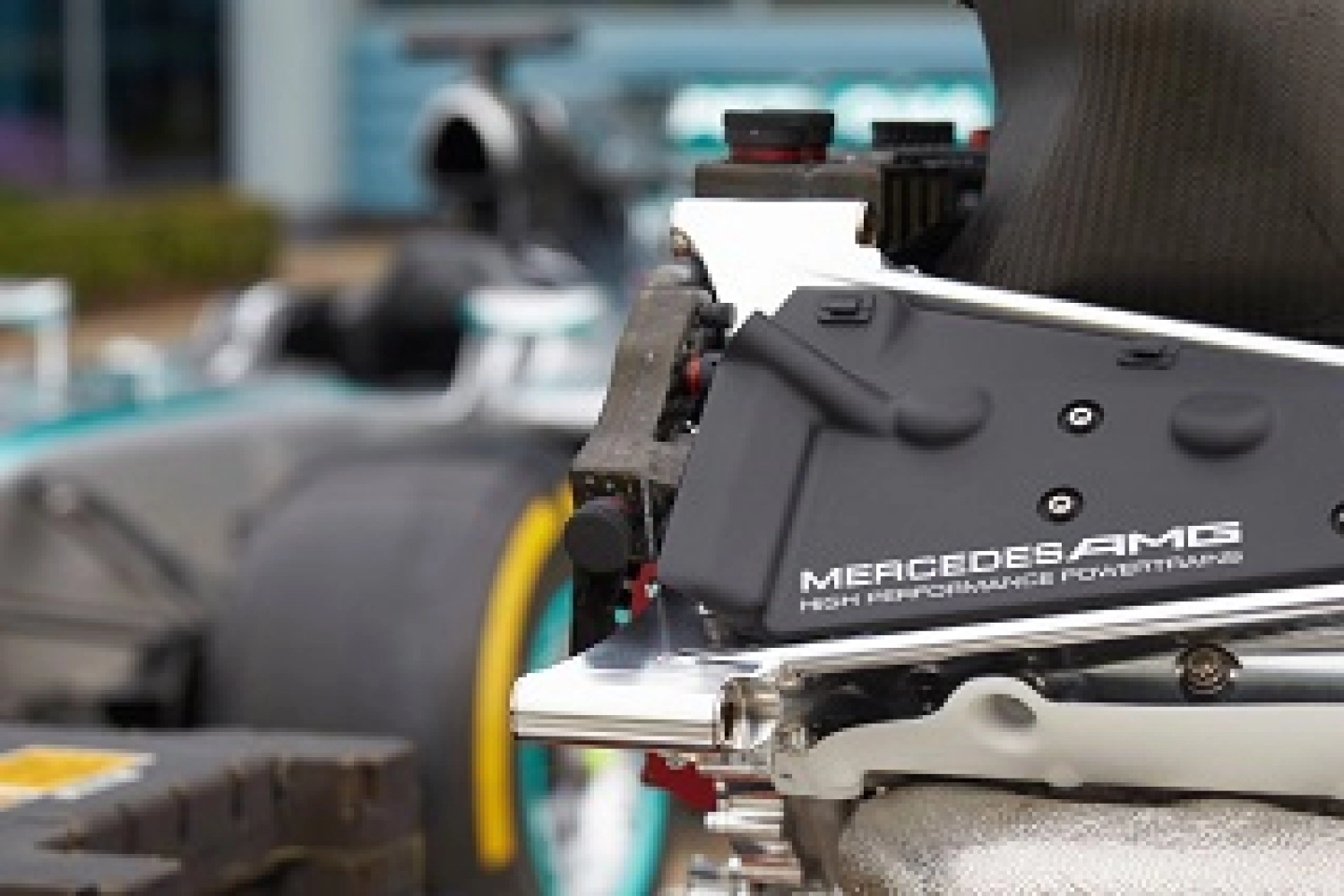
The FIA received four proposals regarding the introduction of a standard engine starting in 2017, but the F1 Commission, composed of the FIA, the FOM, and six teams, decided not to further pursue the process, even though the governing body wished to maintain pressure on the engine manufacturers: « The meeting acknowledged the four credible expressions of interest made for the construction and supply of cheaper alternative customer engines. The F1 Commission voted not to pursue this option at the moment. However, it may be reconsidered after the power unit manufacturers have presented their proposals to the Strategic Group. »
As part of these new proposals, which must be presented by January 15, 2016, engine manufacturers will need to address the four sources of issues related to current engines: ensuring the supply of power units to teams, the need to reduce costs for customer teams, simplifying the technical specifications of these power units, and improving noise.
We can also note that the issue with Red Bull, which is left without an engine due to its conflicting relationship with Renault, is also being addressed as engine manufacturers will now be obliged to supply a minimum number of teams: « The proposal will also include the establishment of a minimum number of teams that an engine manufacturer must supply to ensure that all teams have access to a Power Unit. »
We can therefore imagine that Honda may not be able to maintain the current exclusivity of its relationship with McLaren, even if, at the moment, few candidates are likely to compete for a power unit that encounters many reliability and performance issues.
The implementation of this new regulation should take place either in 2017 or in 2018. Knowing the ability of the teams (especially those at the top) to fight for maintaining the status quo, we can imagine that it will ultimately be the later date that will be considered, as the engine manufacturers will certainly argue that an additional year with the current generation will allow them to further amortize the development costs.
With the participation of www.racingbusiness.fr