The cost of the engine change for Toro Rosso
While Toro Rosso will be returning to Renault next year, this year's switch to Ferrari came at a significant cost to the Faenza-based team.

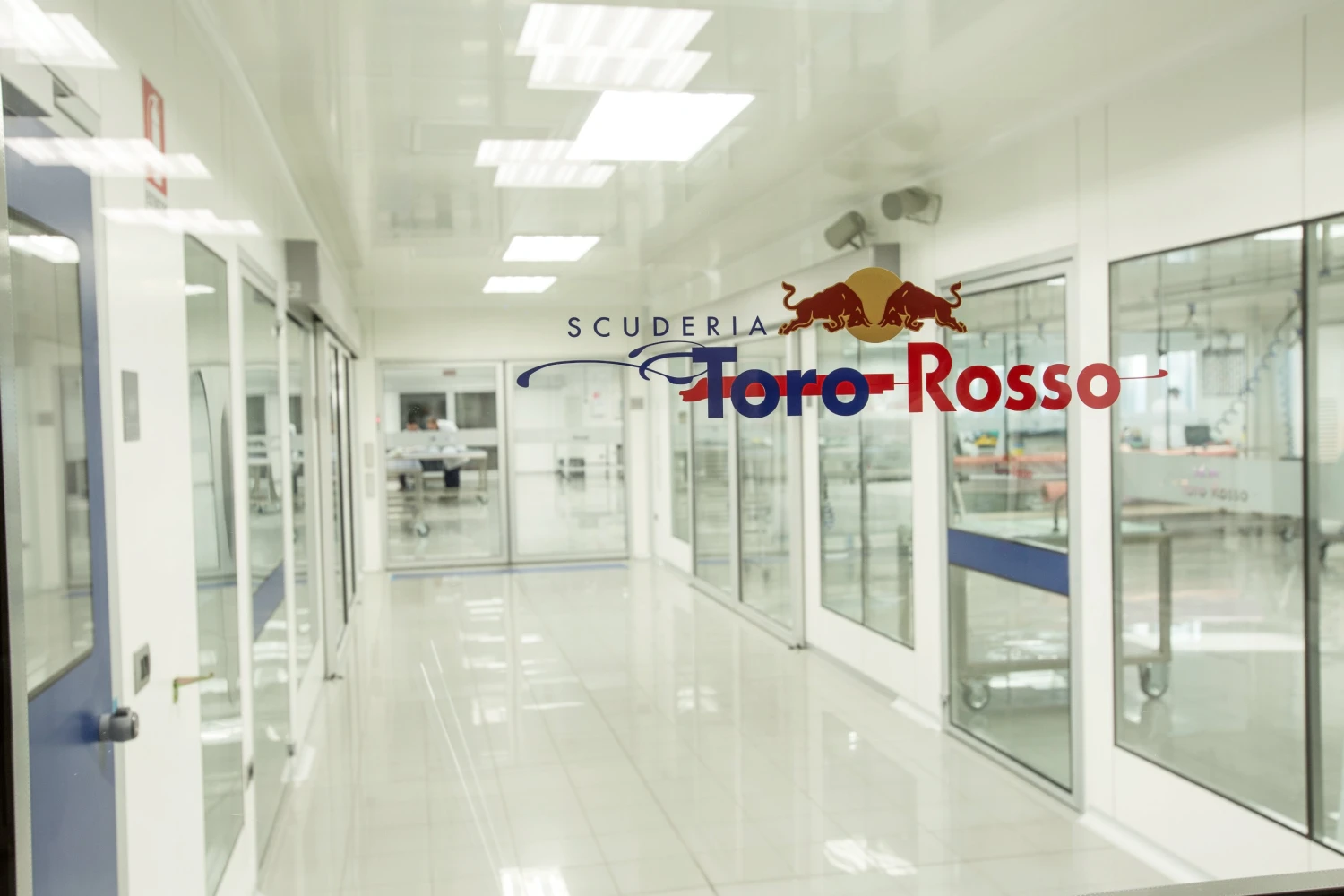
Last October, a state of emergency was declared at Red Bull and Toro Rosso, who found themselves effectively without an engine as the situation with Renault had significantly deteriorated.
At the time, Christian Horner had stated: “We are very, very late. For Toro Rosso, it’s even more critical than for Red Bull. It was already difficult two weeks ago… So we are very, very late.” The situation was only unblocked at the beginning of December when an agreement was reached with Ferrari.
The team found itself in a very difficult situation since the power unit is more than ever the key element of the architecture of current Formula 1 cars, especially due to the batteries and other energy recovery elements. Otello Valenti, the HR director of the team, reveals that the team was forced to conduct numerous recruitments to be ready for the first winter tests: “The late decision regarding our power unit required special measures in terms of recruiting additional employees on a temporary basis during the winter. We had to pay particular attention to the design, production, and quality control departments, compressing the work into a short period of time.”
This resulted very concretely in the hiring of ten additional people in the design department, which normally hosts thirty people: « *In the design department alone, we needed ten additional people, which is equivalent to 30% of the total, and we had very little time to recruit them, in three weeks. The same went for the production department, where we added 40% to our resources in as little time. We switched production to the three-shift system, working 24 hours a day, 7 days a week.* »
But to cope with such a wave of recruitments, the entire human resources department was called upon, which then found itself under pressure to handle such recruitments: « To find new employees, the four members of the human resources department worked long hours and we also enlisted agencies, both in Italy and abroad, and we used all possible technologies for interviews: landlines, mobiles, Skype, videoconferences, individual interviews… to meet the number of people we needed to recruit. »
Toro Rosso must also face an additional difficulty compared to its England-based rivals: being in Italy. Indeed, most of the British teams are headquartered within a relatively narrow area in England, known as Motorsport Valley, making transfers from one to another relatively easy, without significant impact on the everyday lives of employees.
Moving to Faenza, especially for a short period of time, is much more impactful: « One of the most challenging aspects of this recruitment campaign was the logistics since we had to find accommodation for these new employees and Faenza is not such a large city. Once we signed their contract, we had to find them a flight and provide housing. We had to ensure good living conditions so they could perform at their best in their work. »
That is why it was important to quickly formalize the new engine change, with a return to Renault, so that employees have much more time to make the necessary changes and thus avoid finding themselves in such an emergency situation.
With the participation of www.racingbusiness.fr