Teams to work around the clock during winter testing
While all the teams are in Barcelona for the first winter tests, mechanics and engineers will be put to the test with non-stop work throughout the week.

For F1 observers, winter testing is an opportunity to see the cars on track for the first time and try to establish a hierarchy among the different teams.
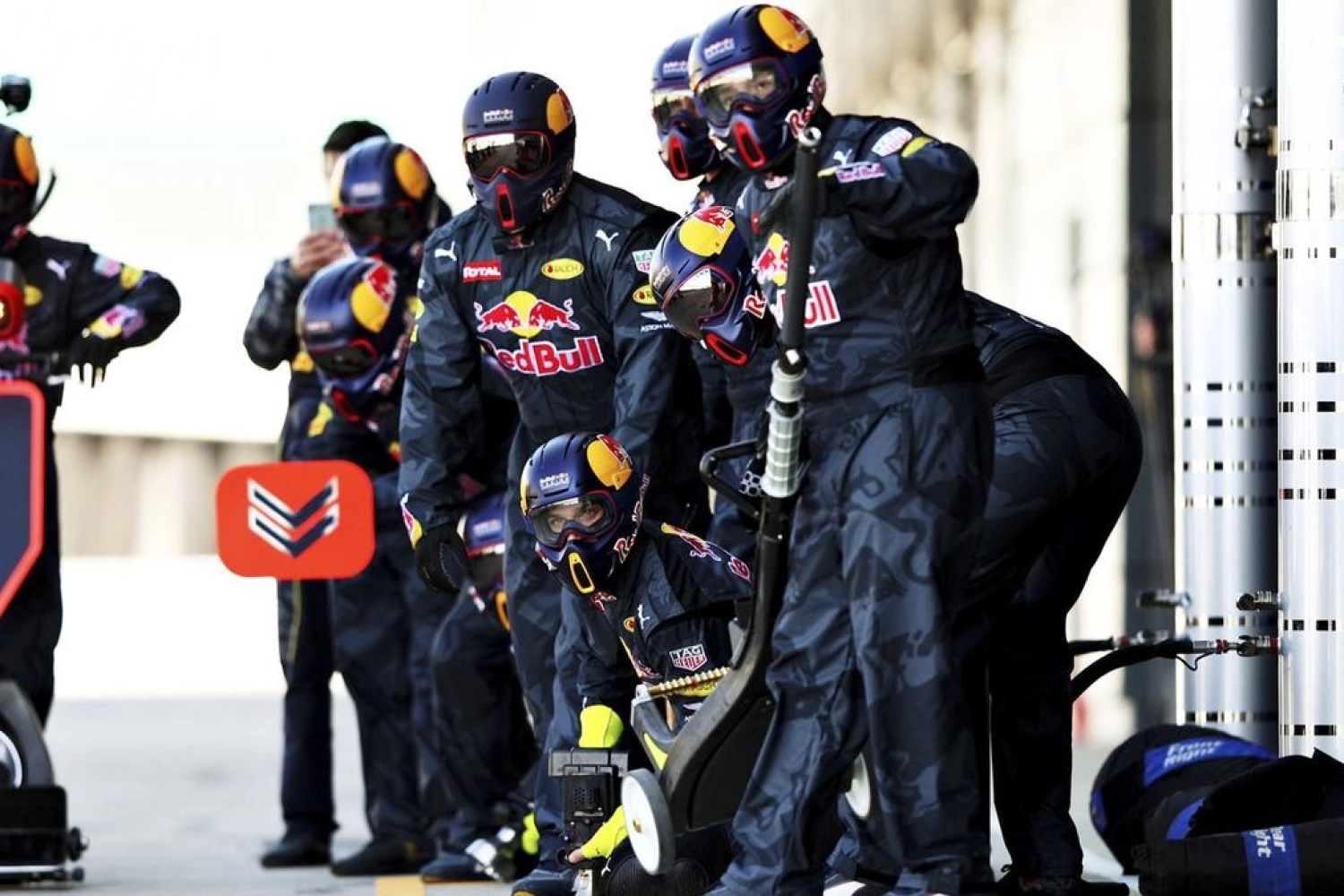
But for the staff, it’s a true marathon that has begun as employees will take turns throughout the week to not lose a single second of track time. Indeed, with the change in aerodynamic and technical regulations, it is vital for the teams to be able to maximize their time on the track.
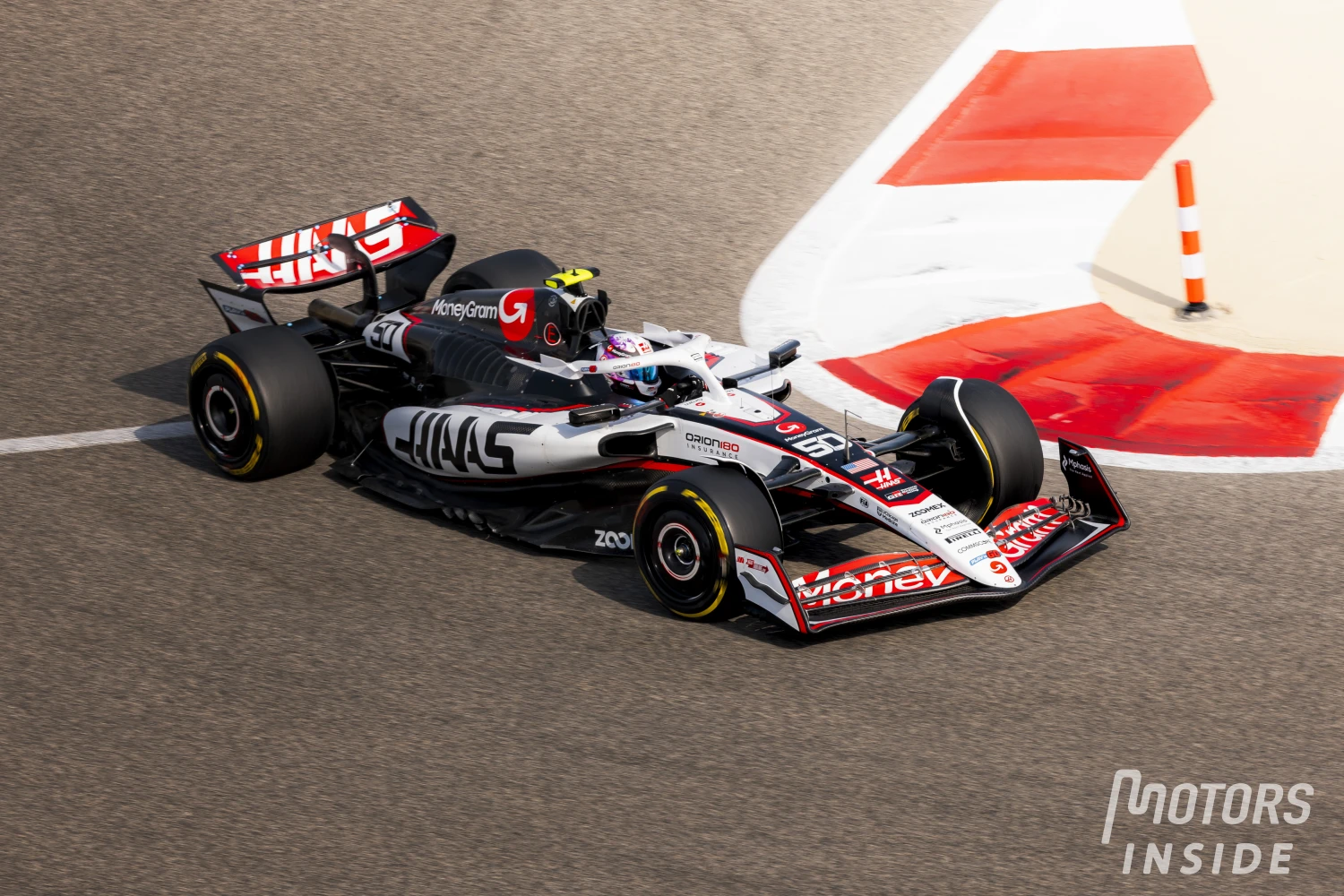
To do this, the teams will set up a relay, with a day team and a night team, as explained by Günther Steiner, Haas’s director: « During testing, there is no time limit on how long we can work. So, we have a day team and a night team. In the past, which wasn’t so long ago, we had the same people working day and night. Now we have employees who come around 6 p.m. They have dinner with those who have worked during the day. This allows them to exchange what they’ve learned and know what they have to do. The night team then takes over and will work until the sun rises. You then do the same thing: they have breakfast together, then some go to bed while others go to work. »
It must be said that winter testing does not follow the same rules as race weekends where curfews have been established to precisely protect the staff, who already have to travel to 20 races per season. That’s why teams can only run with one car during winter testing in order to use the mechanics normally dedicated to the two drivers: « During testing, we only run with one car and we have two teams of mechanics. So we swap them during the second test. You still have to be careful because some won’t want to go home. They want to stay, and you have to tell them “No, you’re done.” It’s a challenge. »
Indeed, it’s a long endurance race awaiting the mechanics before the Australian Grand Prix as, after the tests, the cars must return to the team’s base to be refurbished before flying to Australia: « We try to give them a Saturday or Sunday off before they fly to Australia. When they return to the workshop after the second test, they must completely rebuild the cars before sending them to Australia. You must be careful that they do not burn out. » concluded Steiner.
Personnel management has become a major focus for the teams. That’s why even mechanics have to undergo a health program to always be at their best when they need to intervene. During race weekends, it’s not uncommon to see mechanics training when the drivers are not on the track.
With the participation of www.racingbusiness.fr