Forces at play, cut-out wings, the halo on track: lessons from Friday in Melbourne!
Focus on the initial major insights revealed by the first laps in Australia.

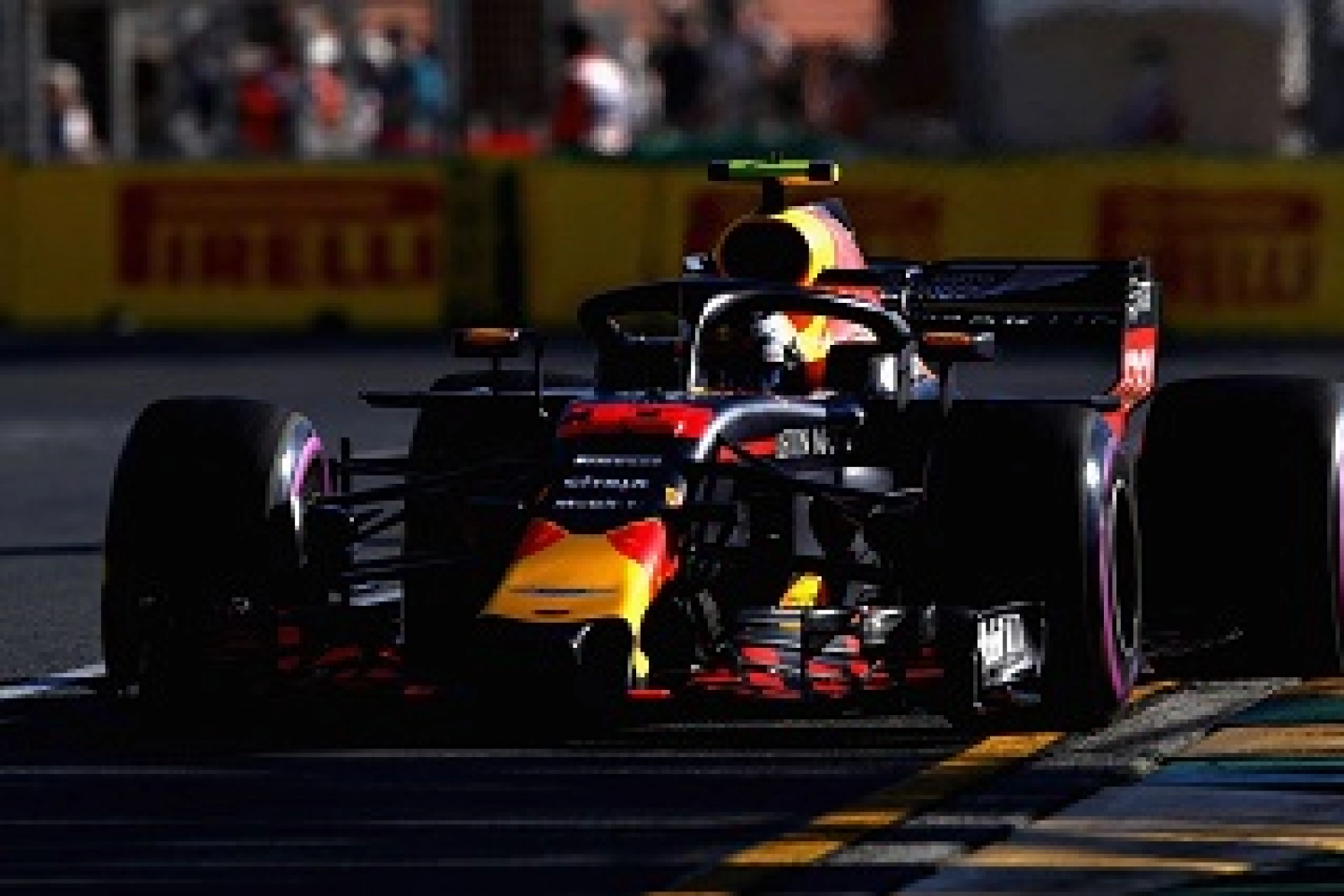
Hopes for Ferrari and Red Bull against Mercedes
Leading after the two sessions, Lewis Hamilton hasn’t lost his good habits at the start of this season.
A bit more stable than its predecessor, the W09 particularly excelled in the first and third sectors, the most winding parts of the Albert Park circuit. But this year, the competition has caught up: trailed by Verstappen in FP2, Valtteri Bottas did not pull away. The timing disappointment of the day among the big guns, Daniel Ricciardo is excused for aborting his fast lap in FP2 due to the arrival of the red flag.
The tightening of the forces is still real: in 2017, the two Red Bulls were pushed beyond a second gap on Friday evening. Even in seventh, the Australian is this time at eight-tenths of a second…
On the long stint simulations, satisfaction is also on Red Bull’s side. The Austrian team is competing with Mercedes with a series of 1’28” laps, while the Ferrari team has been running in 1’29”. With the best chassis according to Christian Horner, the winged bull team is currently Mercedes’ number one rival.
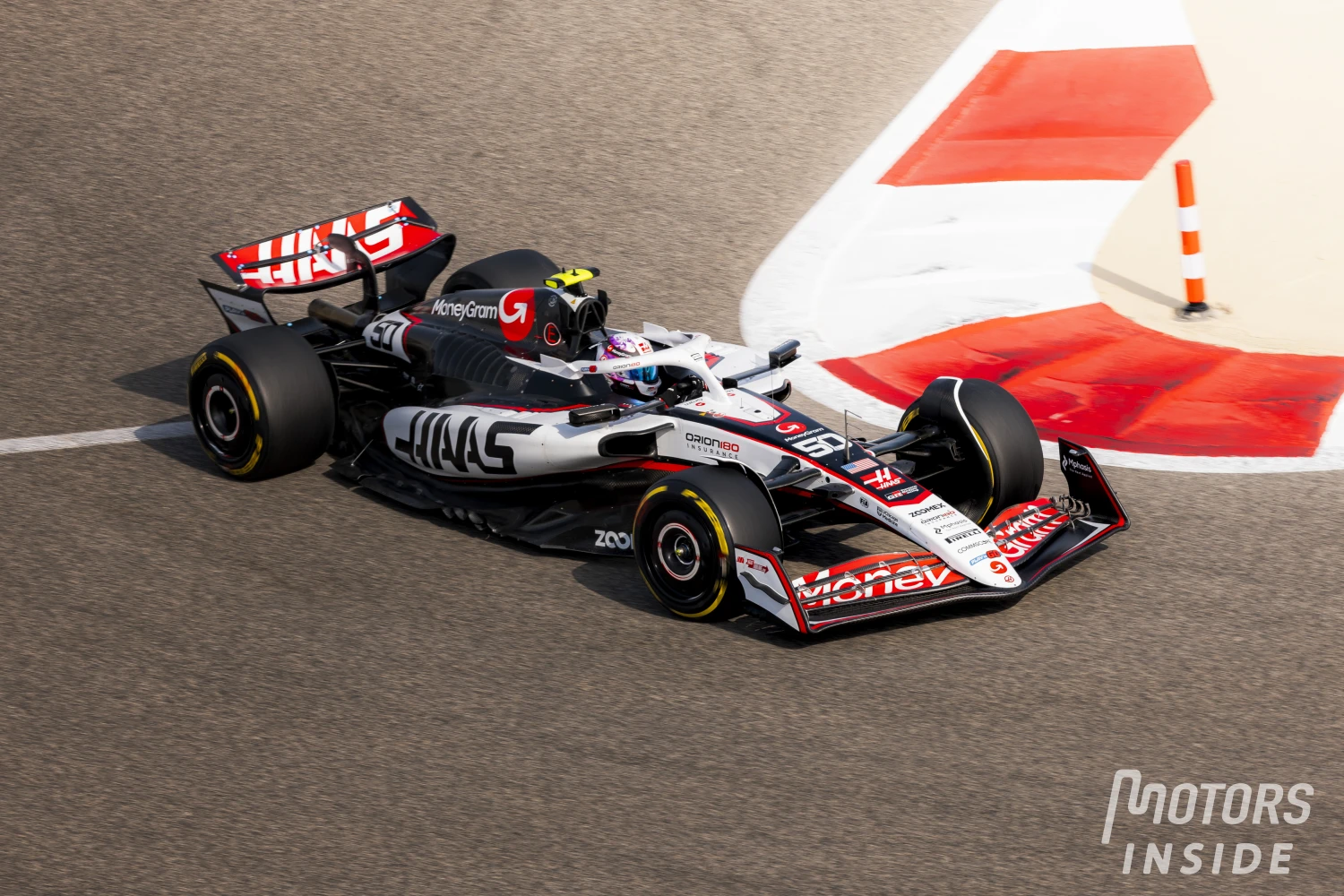
Haas behind the big guns?
The best of the rest, it’s definitely him! Seventh after FP1, Romain Grosjean moved right into the top 6 in the afternoon. The stability of the regulations clearly benefits the American team, who could replicate their impressive sixth place from 2016. But the midfield battle is fierce: seven-tenths of a second separated Alonso’s eighth place from Sergei Sirotkin’s eighteenth place. In short, only the two Saubers are currently lagging behind…
In this melee, an honorable mention to Honda, which encountered no visible problems during the 180 minutes of running. Even better, the Toro Rosso drivers displayed surprising top speed capabilities.
SPEED TRAPS – 30/90 MINS
Mercedes grunt leads the way, with Toro Rosso close behind#AusGP #F1 pic.twitter.com/HrYETwKjDK
— Formula 1 (@F1) March 23 /f1/news/22572-australia-free-practice-1-2-hamilton-and-mercedes-already-ahead-of-the-competition.html
In general, let’s note that the times achieved this year are equivalent to those of 2017. The reference time on Friday was set by Lewis Hamilton, at 1:23.620; three-tenths faster than this year’s best time. However, the level is much more homogeneous: set by Charles Leclerc, the last time in FP2 (1:26.815) is seven-tenths faster than Jolyon Palmer’s at the time.
Mixed day for McLaren and Force India
Difficult this time to find an external culprit for the Woking team. Despite Fernando Alonso’s eighth place in FP2, the team led by Zak Brown has still suffered from reliability issues, in line with a calamitous winter. Immobilized in the garage at the start of FP1 due to an exhaust problem, the double world champion completed only 44 laps during the two sessions, the lowest total of the twenty drivers involved, along with Kevin Magnussen (43 laps). Stoffel Vandoorne also lost time during the first 45 minutes of the day. Clearly, the major problem is the space allocated for the Renault engine, suffocated within the English chassis.
Another relative disappointment, the Force India team is positioned in the middle of the pack in the standings. The announced innovations have not yet had the desired effect, and the Pérez-Ocon duo is trailing behind the competition.
#AusGP 🇦🇺 | FP2 (59/90min) ⏱️
Improvement for Esteban Ocon 🇫🇷
👉 P14 – 1:25.917
The Force India does not seem to be at the 2017 level 😓#F1 pic.twitter.com/rvK6aB3v21
— Secteur F1 🏎 (@Secteur_F1) March 23
Aerodynamics: We can breathe!
Direct consequence of the arrival of the Halo, the cars have undergone a profound makeover. Aggressive in this field, Scuderia Ferrari presented two versions of its front wing in Melbourne. A more sober model, similar to 2017, versus an aggressive version, sliced by multiple winglets.
Announced objectives? Optimization of support and redirection of airflow, still thanks to the S-duct system. At the Italian team, they even opt for a “X-duct” system, where air ducts cross as they pass through the front wing. A bold development program… inspired by Mercedes, which set the trend last season.
The first developments for this Ferrari GP. #ausgp #SF71H pic.twitter.com/BScccQrjPV
— jb white (@j2bwhite) March 22
At the defending champion team, they stand out with a very neat rear wing, also cut by multiple winglets on its upper part. The search for air is paramount: let’s remember that the new F1 cars have gained 5 kg, going from 728 to 733 kg.
The #W09 is ready for the battle. @MercedesAMGF1 created another marvellous and highly complex #SilverArrow ready to annihilate its opponents. #DrivenByEachOther #AusGP #F1 pic.twitter.com/FW5thsPopB
— Franck Driver (@franckdriver7) 22 March /f1/actualite/22572-australie-essais-libres-1-2-hamilton-et-mercedes-devancent-deja-la-concurrence.html
The halo is settling in
Purists will have to get used to it: the halo will live with Formula 1. However, based on various radio communications, there are some subliminal messages, like the one from Fernando Alonso, who was bothered by an opponent. On his side, Lewis Hamilton mentioned some visibility issues during the second session. Without specifying whether the problem was caused by the Halo or simply the low sun. From an organizational standpoint, the FIA has in any case moved some of the starting lights to ensure good visibility for the 20 participants in this championship.