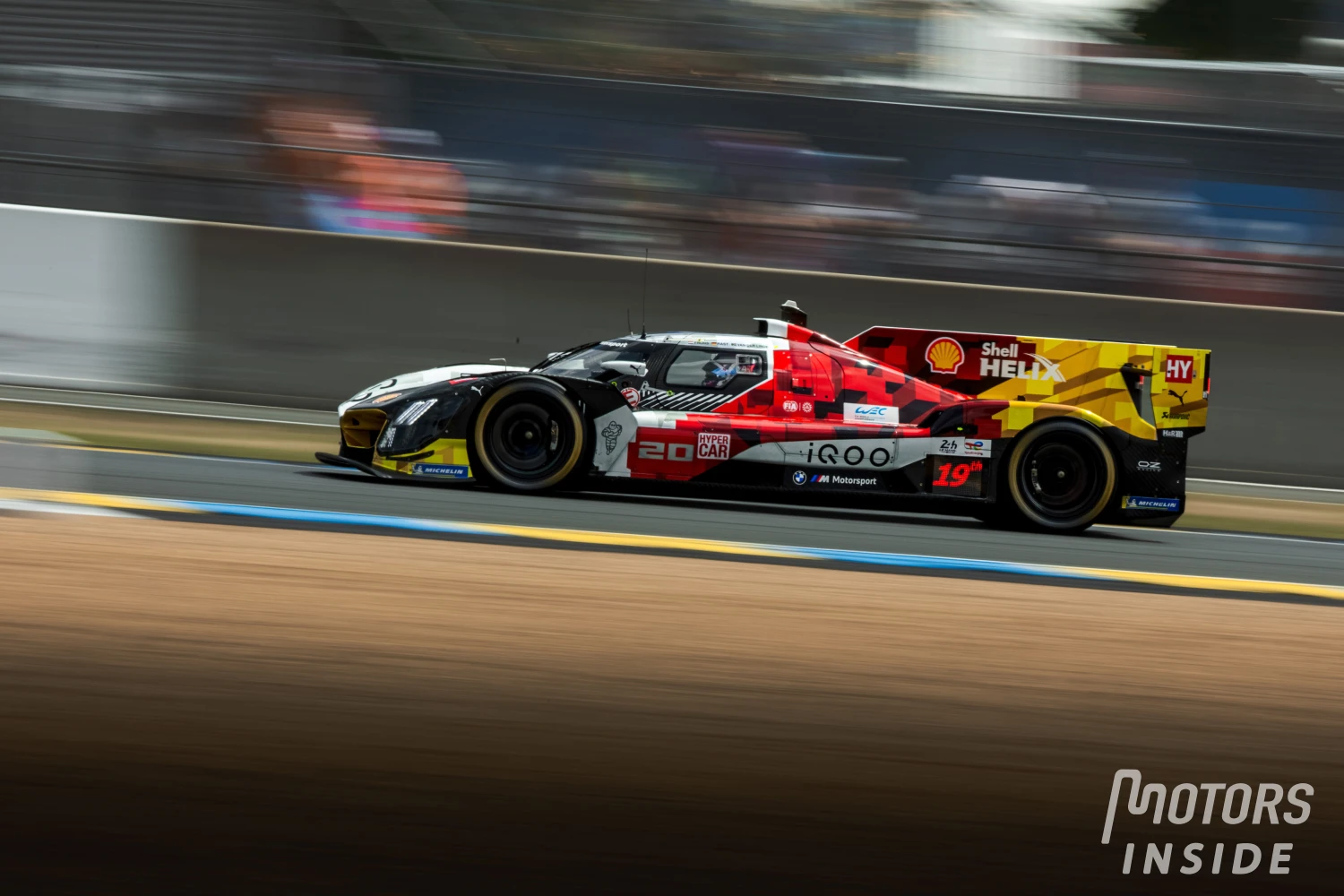
AlphaTauri commits to F1’s ecological transition
A few days before the Emilia-Romagna Grand Prix, AlphaTauri's home race, the Italian team gives an update on its commitments to the sustainability program linking the FIA, F1 and each team. It's a complete ecological change, benefiting the well-being of the team and their environment, as well as the region where they are based, Emilia-Romagna.

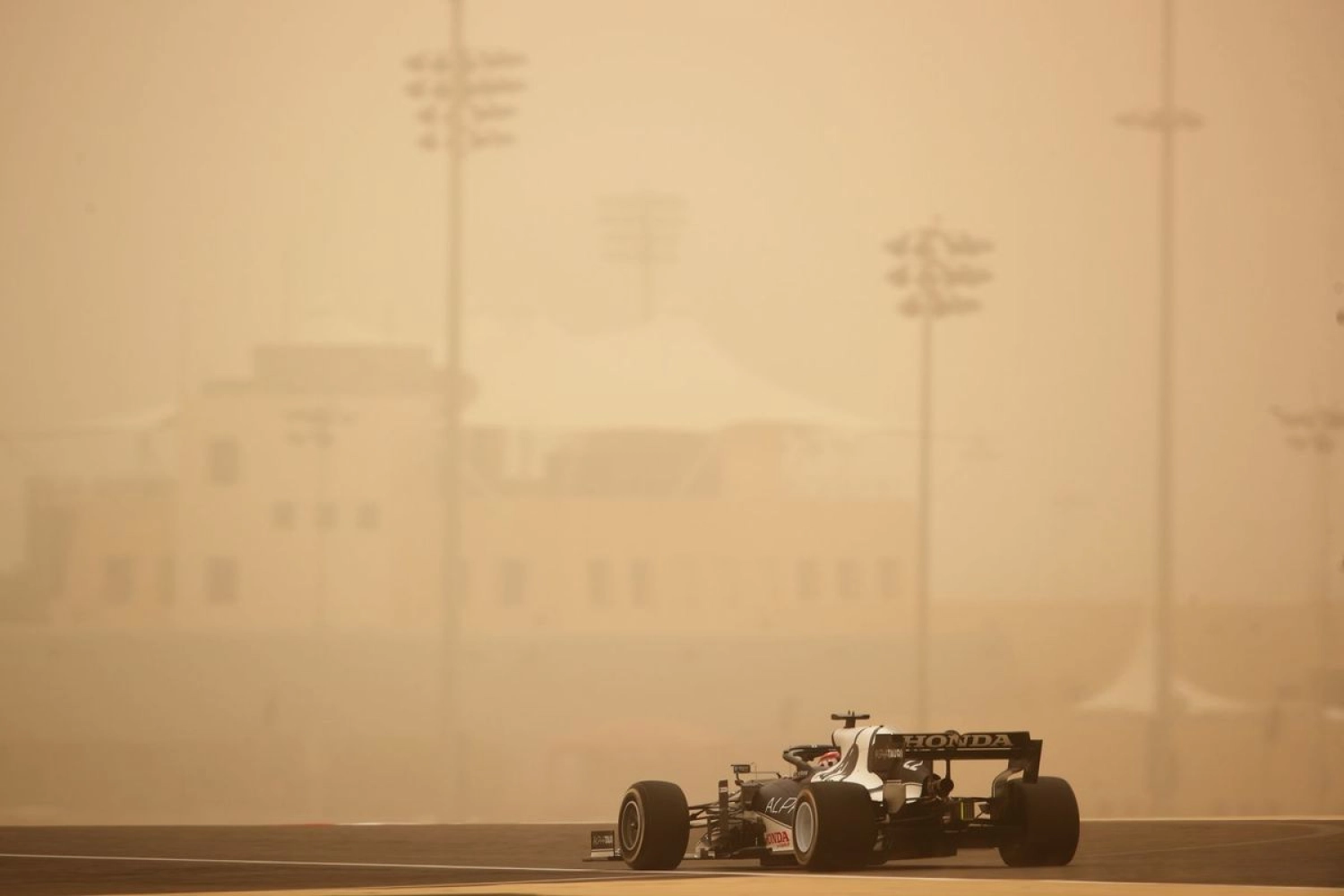
To be in tune with the times.
The decade that began in 2020 will see a change of era in the relationship between Formula 1 and the environment. It follows the path set by the FIA’s environmental strategy from 2020 to 2030, itself included in the United Nations’ Agenda 2030 for sustainable development.
In the document « Countdown to Zero by 2030 », the common goal linking the FIA, Formula 1, as well as all the teams on the grid is stated. It involves a systematic reduction in CO2 emissions from everything related to the production of race cars in factories, on-track activities, logistics, travel, and races. In order to achieve zero carbon emissions by 2030, various objectives have been set with the aim of Formula 1 being seen as an example of environmental sustainability worldwide, contributing to the acceleration of technologies that will decarbonize the planet.
What measures will be put in place by AlphaTauri?
Alphatauri, like all the other teams on the grid, must respond to their demands and organize their retraining. First within the factory and the hospitality unit, they are committed to achieving a complete ecological transition by using renewable energies, reducing CO2 emissions and minimizing waste in all areas, including food and water.
Some fears may have emerged about the performance of Formula 1 cars on the circuit during this ecological transition. Nevertheless, everything suggests that these single-seaters will continue to be the most powerful and efficient in the world, operating on sustainable fuel and using hybrid technology for the power unit. This shows that Formula 1 remains at the forefront of efficiency in the automotive sector.
Another crucial goal on the path to ecological transition is transportation. We know that Formula 1 is often criticized for their repeated travel around the world. However, AlphaTauri asserts that they will continue to be as efficient as possible in terms of logistics, using means of transportation with the lowest possible environmental impact.
The main objective of this transition towards sustainable environment is to achieve net zero emissions (of carbon) by 2030. To this end, AlphaTauri is committed to implementing viable carbon sequestration programs. The team will comply with the constant and progressive reduction of carbon emissions while obtaining carbon credits set up to offset emissions into the atmosphere that cannot be completely eliminated. The starting point for Franz Tost’s team is the carbon footprint of 2019, the year before the sustainability program began, amounting to around 15,000 tons of CO2. AlphaTauri has committed to reducing this figure year after year, starting from the launch of the process in 2020, knowing that 70% of these emissions come from activity within their factory.
Therefore, two main initiatives are being adopted. First, the use of green electrical energy generated from 100% renewable sources. Then, coming soon, the use of a heating system using energy from wine production and local garden waste.
One can therefore note that this ecological transition for Formula 1 represents a real challenge for the teams. All of them will have to respond to these demands as quickly as possible, but above all, with the greatest possible efficiency. It is noticeable that AlphaTauri has already delved deeply into the matter and is now implementing initiatives to achieve their objectives.