Discussions are underway regarding the use of fewer tires in Formula 1
Tested in Hungary and Monza, Pirelli provided only 11 sets of tires per driver and per car instead of the usual 13. On the other hand, the FIA forced the use of a single compound in qualifying for all drivers in order to equalize the level of grip and, more importantly, to save money on the number of tires used per season. This format could therefore become the rule in future seasons.

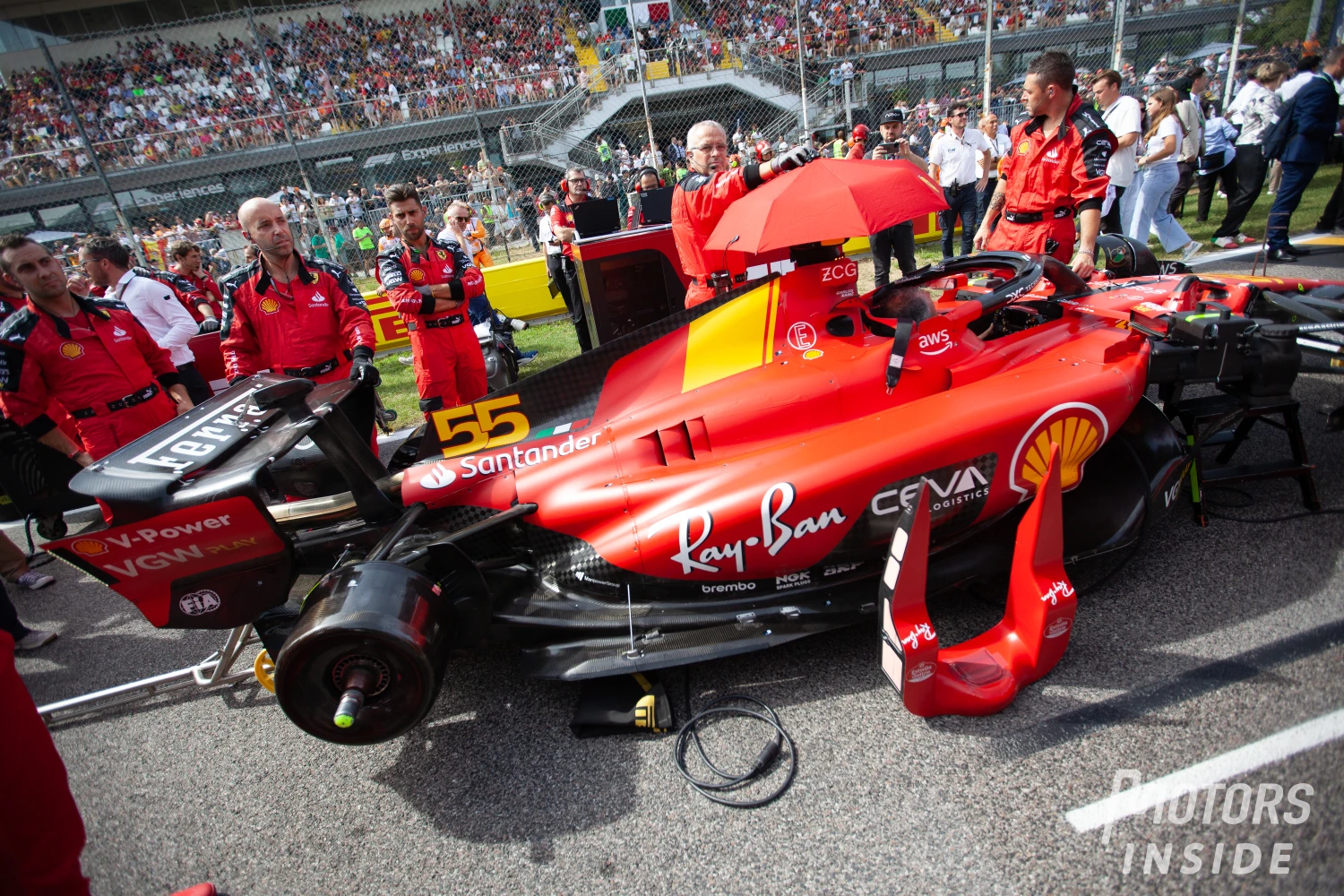
If on a typical F1 weekend, Pirelli provides each driver with 13 sets of tires, distributed among the soft, medium, and hard compounds from ranges C0 to C5, this year the FIA has decided to introduce a change for certain races with only 11 sets of tires available.
The FIA has indeed realized that in a Grand Prix, two compounds are often used while the third one is neglected. This is indeed logical, as the track’s performance often requires the use of either the soft compound or, conversely, the hard compound. One compound was therefore abandoned despite being available and had to be destroyed and recycled by Pirelli in the end, wasting money and time for everyone involved.
With 11 sets of tires, the qualification rule has slightly changed, forcing all drivers to use the same tires in the first part of qualifying: the hard tires, the medium tires in the second part, and the softest and fastest tires towards the end of qualifying, reserved for the top 10 drivers.
Initially planned in Imola, the first test finally took place in Hungary after floods in the Italian region. The second test was held last weekend in Monza. While some drivers may not have appreciated it, this qualifying format does not have a significant impact in terms of entertainment but allows everyone to save money and reduce the environmental impact of tire production by using fewer tires for Pirelli. It would clearly be a gain in that regard. The FIA and Pirelli are thus discussing making this qualifying format the standard in F1 for future seasons.
« The plan is to discuss it to see the advantages and disadvantages. And then, they will make a decision. » explains the sports director of Pirelli, Mario Isola, to the English media Autosport.
« If a slight adaptation is requested – for example, considering an additional set of tires for free practice 2 instead of reserving 7 sets of tires for the race, that would be more than enough and could possibly result in the same total number and an extra set for FP2 – it is possible. »
« To be honest, we checked the number of laps they did in FP1, FP2, and FP3 compared to last year and it’s very similar. Given that we had a red flag in FP2, where they probably would have done a few more laps, it was exactly the same. »
Mario Isola also believes that this format enhances the spectacle and the stakes during qualifying « because drivers must quickly adapt to different levels of grip, and you can see that they are pushing more and more. They are going faster because the compounds are softer » and therefore taking more risks.
« I like the idea. This is my personal opinion, of course, but I like the idea and I believe it’s a good way to reduce the tires a bit without affecting the strategy, without affecting the spectacle. And sometimes, it actually improves the spectacle because of it. »
Divided pilots
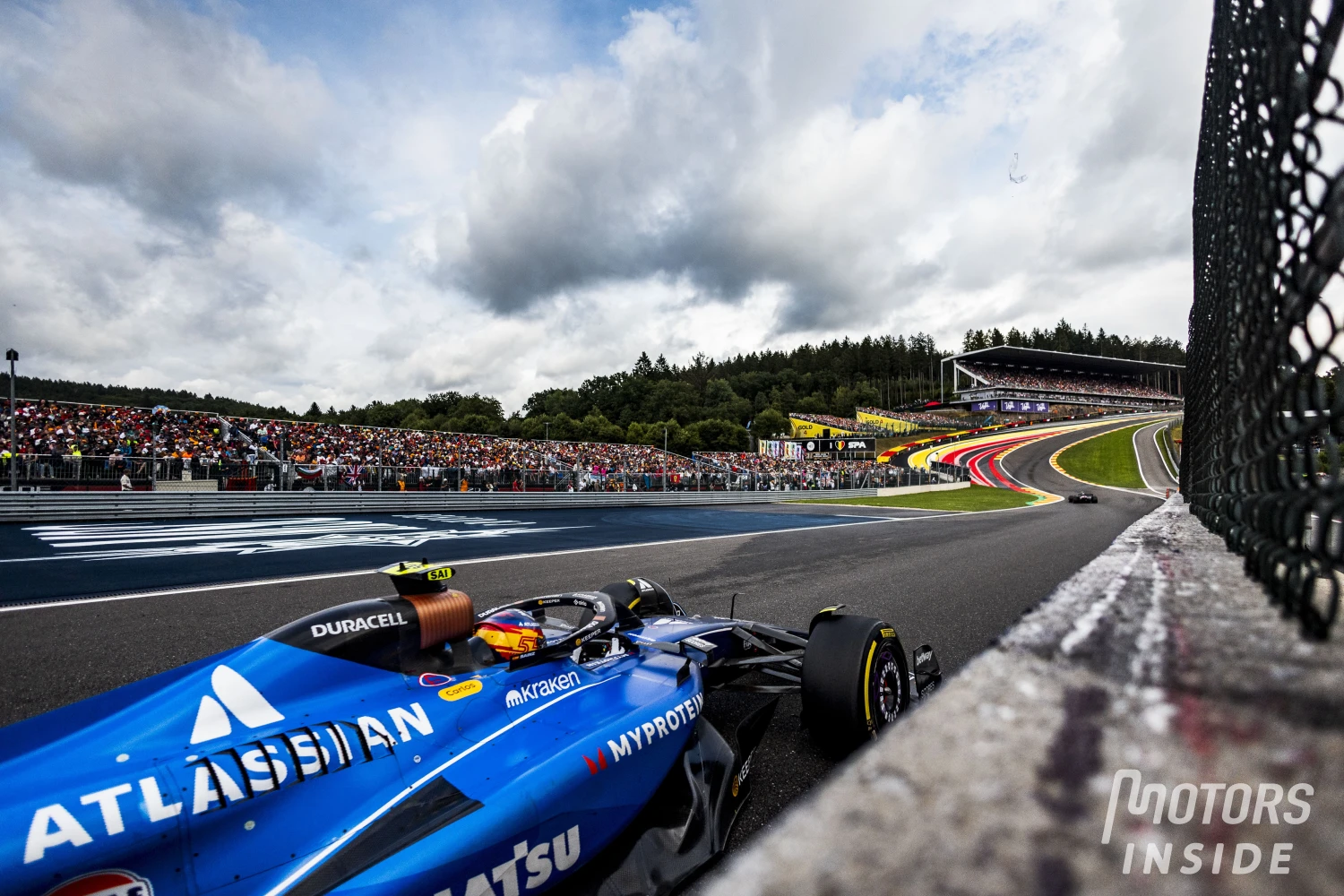
The format tested in Hungary and Monza is not unanimous among the drivers. While Carlos Sainz appreciates having to adapt and find grip, Max Verstappen believes that it probably makes things even worse for the teams at the back of the grid, as the fastest cars are even better with the harder compounds.