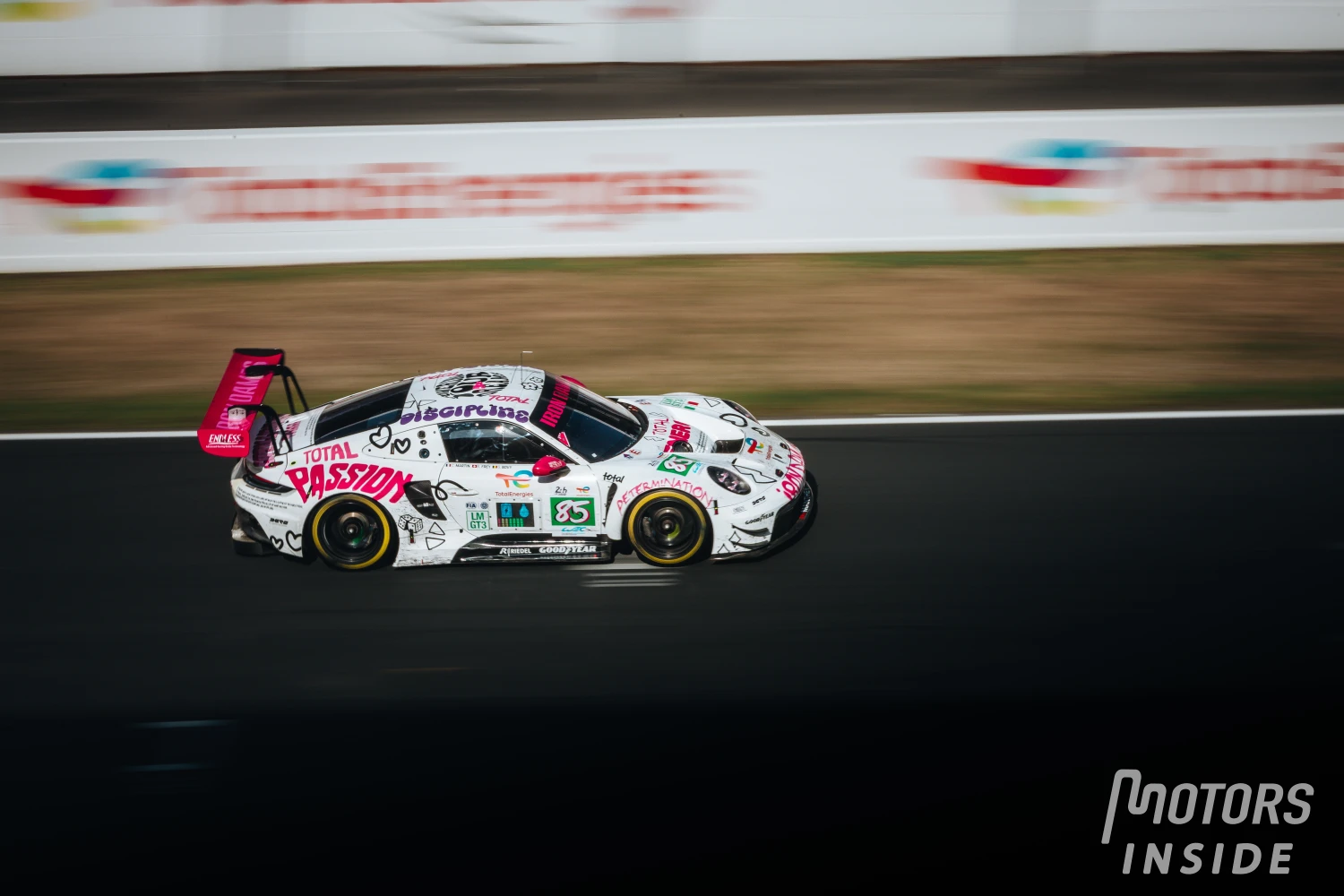
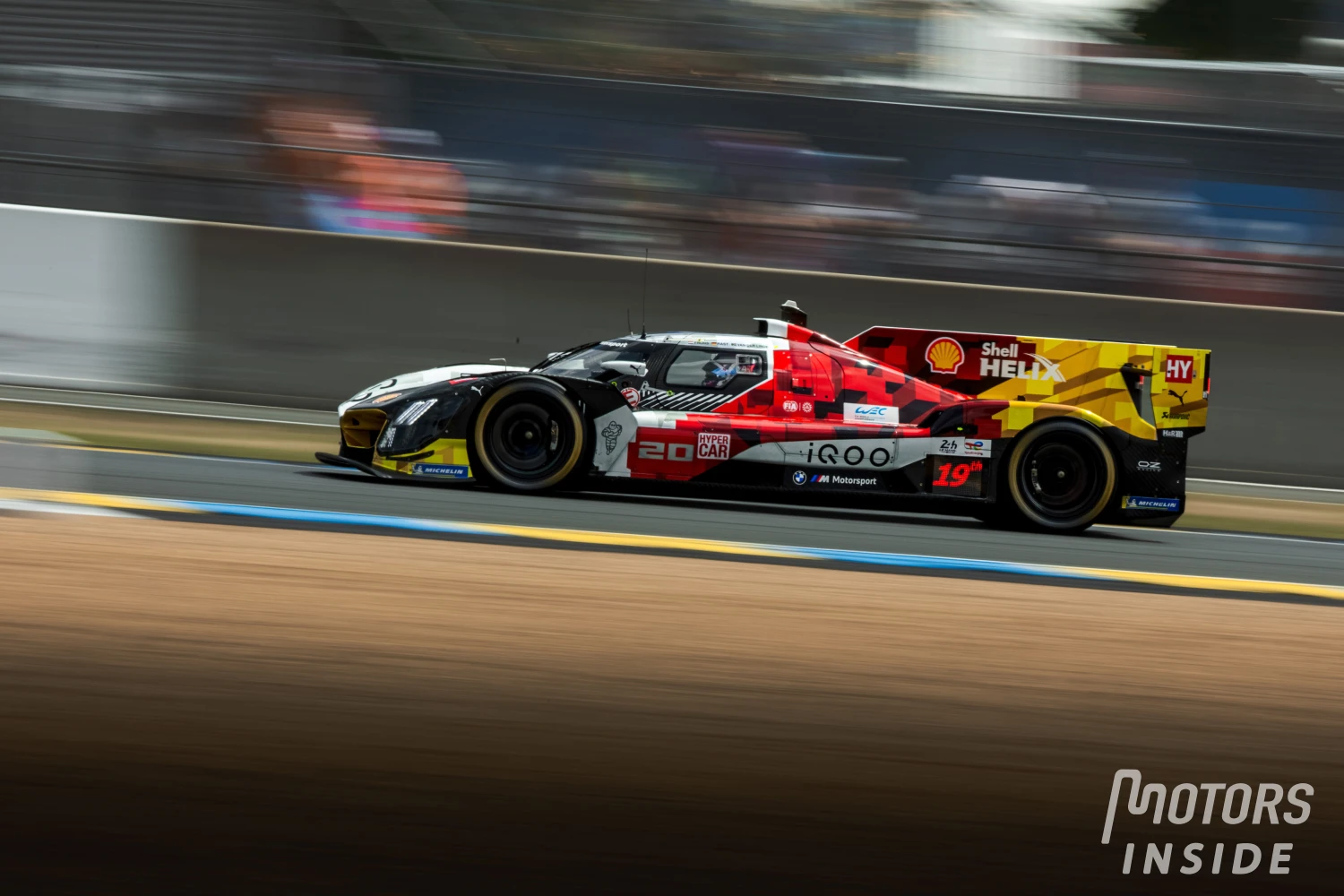
To lighten the F1, the FIA is considering reducing the size of the wheels to 16″ in 2026
As FIA officials talk about a 50 kilo reduction on Formula 1 in 2026, engineers are left scratching their heads on how to achieve it. The rims, wide and high since 2022, seem to be one of the ways to reduce the total weight of the F1s.

The drivers have been complaining about it for a long time, the F1 single-seaters are too heavy, especially since the new regulation. The FIA had raised the minimum weight in 2022 to 798 Kg excluding fuel. So it is about starting a Grand Prix with a load generally considered between 900 and 920 Kg.
« With the dimensions of the wheels, which will be narrower, as well as with the rear wing and the car in general, we aim to reduce the weight of the cars by about 50 kg » explained Nicolas Tombazis, the technical manager of the single-seaters within the FIA.
For the moment, no draft of the 2026 technical regulation has been published by the FIA, which is still in discussions with the teams. In concrete terms, according to information obtained by Motorsport.com, the wheelbase would be reduced by 20 cm, going from 3.6m between the front and rear tires to 3.4m. At the same time, the width of the car would be reduced to go from 2m to 1.9m. For comparison, the F1s of the previous technical regulation measured 1.8m in width.
Regarding the tires themselves, with smaller, narrower and lighter cars, they would also be reduced. This will inevitably impact the grip and therefore nothing is yet confirmed.
Nicolas Tombazis explained that the F1 2026, according to the first simulations, would be slower in turns, with therefore less mechanical grip but would on the other hand be faster in a straight line.
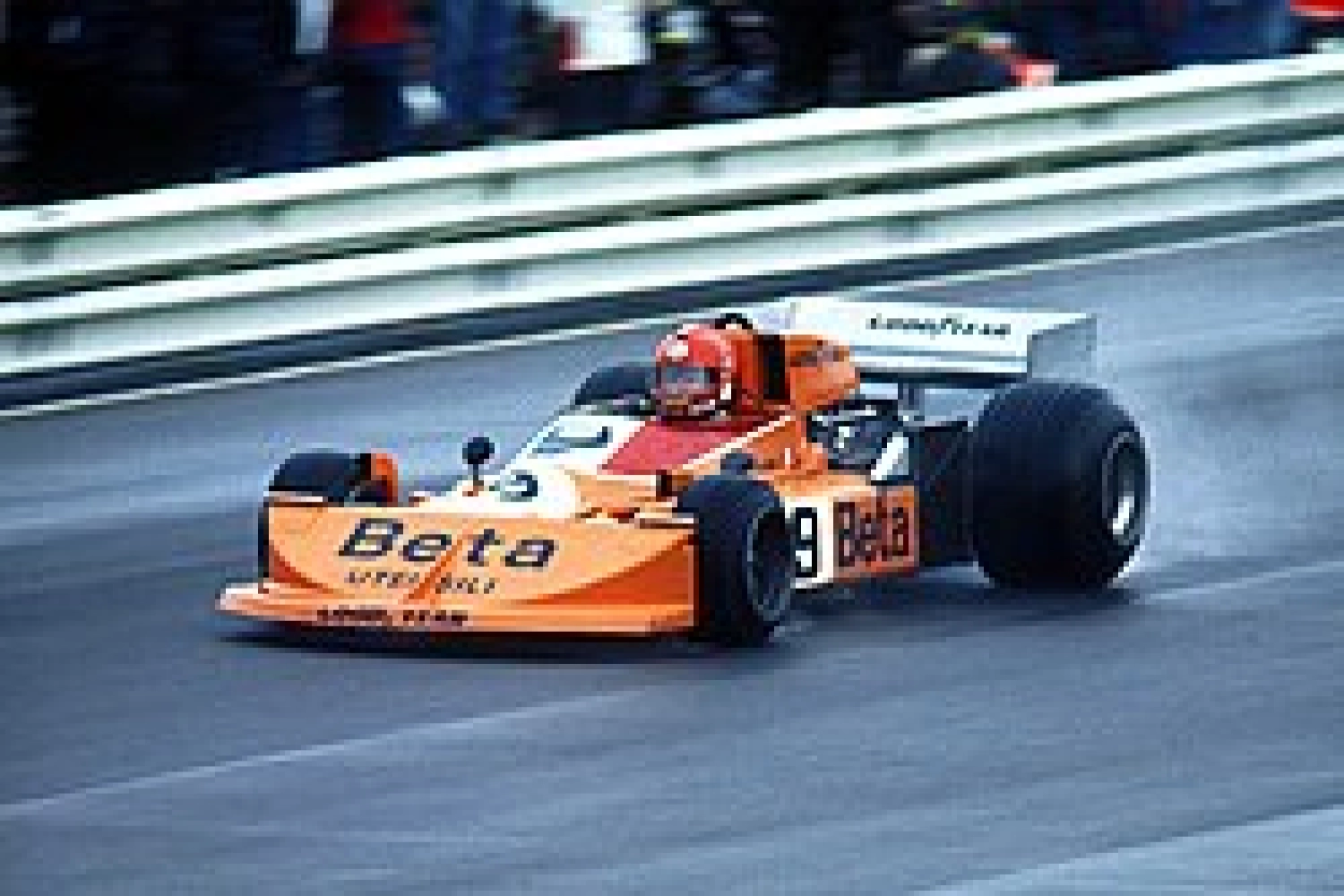
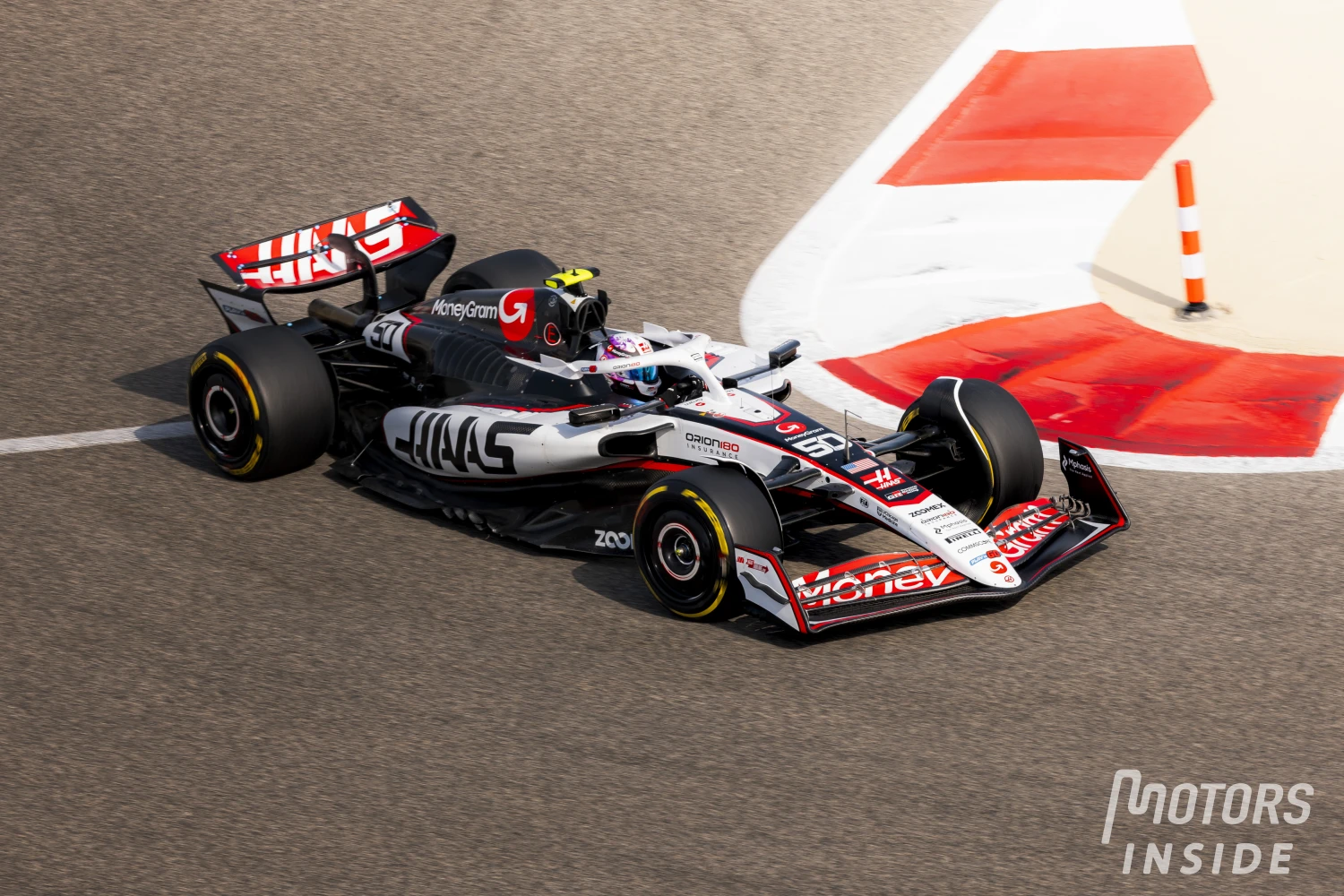
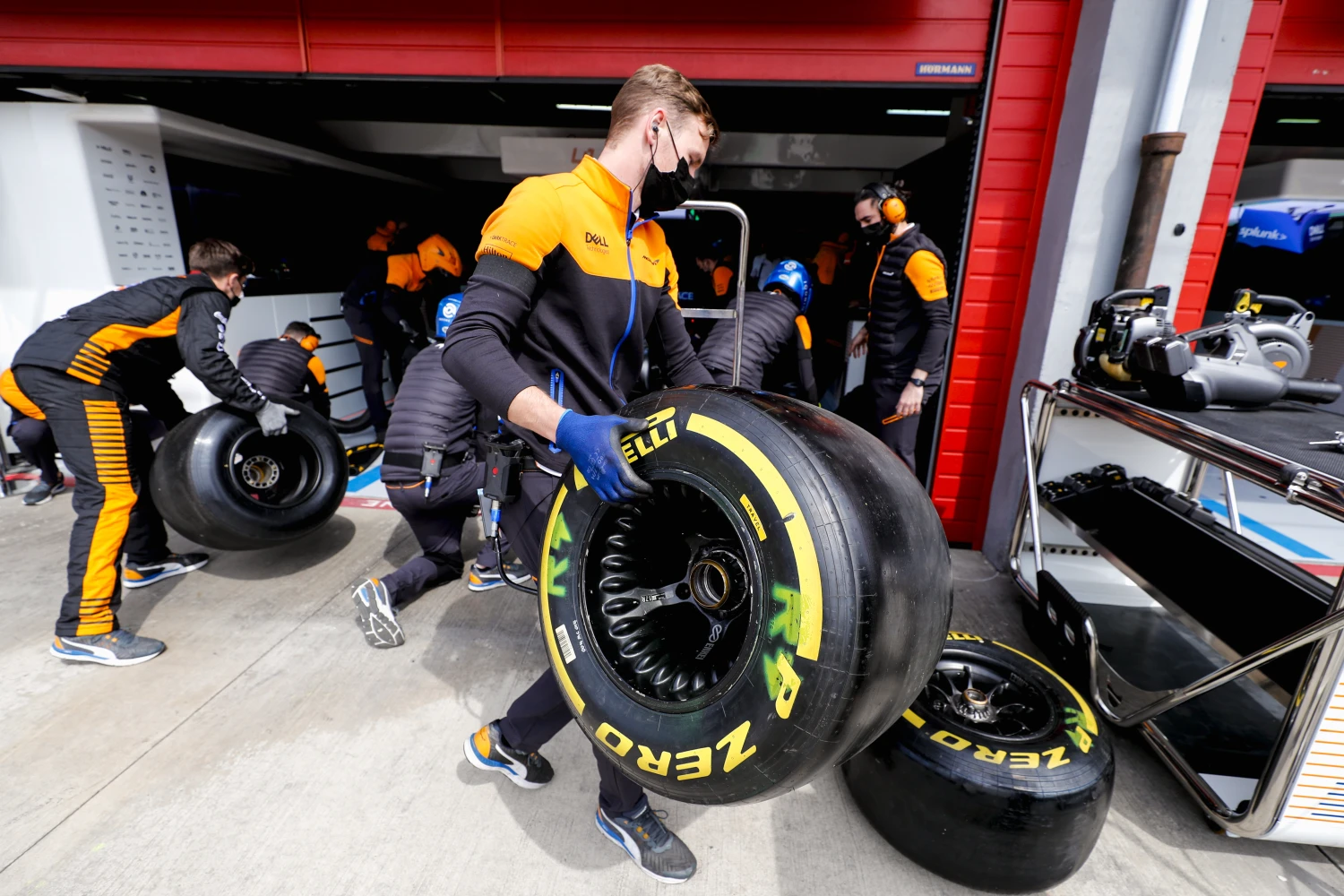
In addition to losing a few centimeters in length and width, the FIA is also considering reducing the size of the rims. In 2022, the single-seaters switched to 18″ rims to better match the reality of everyday cars and manufacturers. However, these rims, which are heavier, also impact performance and drag.
The FIA therefore thinks it can find a compromise, without necessarily reverting to 13″ rims like before 2022 by opting for 16″ rim sizes. This would allow us to save, according to our estimates, 4 to 6 kg of material.
Pat Symonds notably explained to Auto Motor und Sport that the weight gained in 2026 could rather approach 20 kilos than 50 kilos.