Hungarian GP: A Real Circuit with Monaco-Style Originalities
The Hungaroring is a very interesting circuit for both drivers and engineers. It doesn’t feature real high-speed corners, which usually leads teams to use high aerodynamic downforce, while the main concern will be cooling the car and the engine block. The temperatures, in fact, are generally scorching in this region of Europe. This also complicates […]

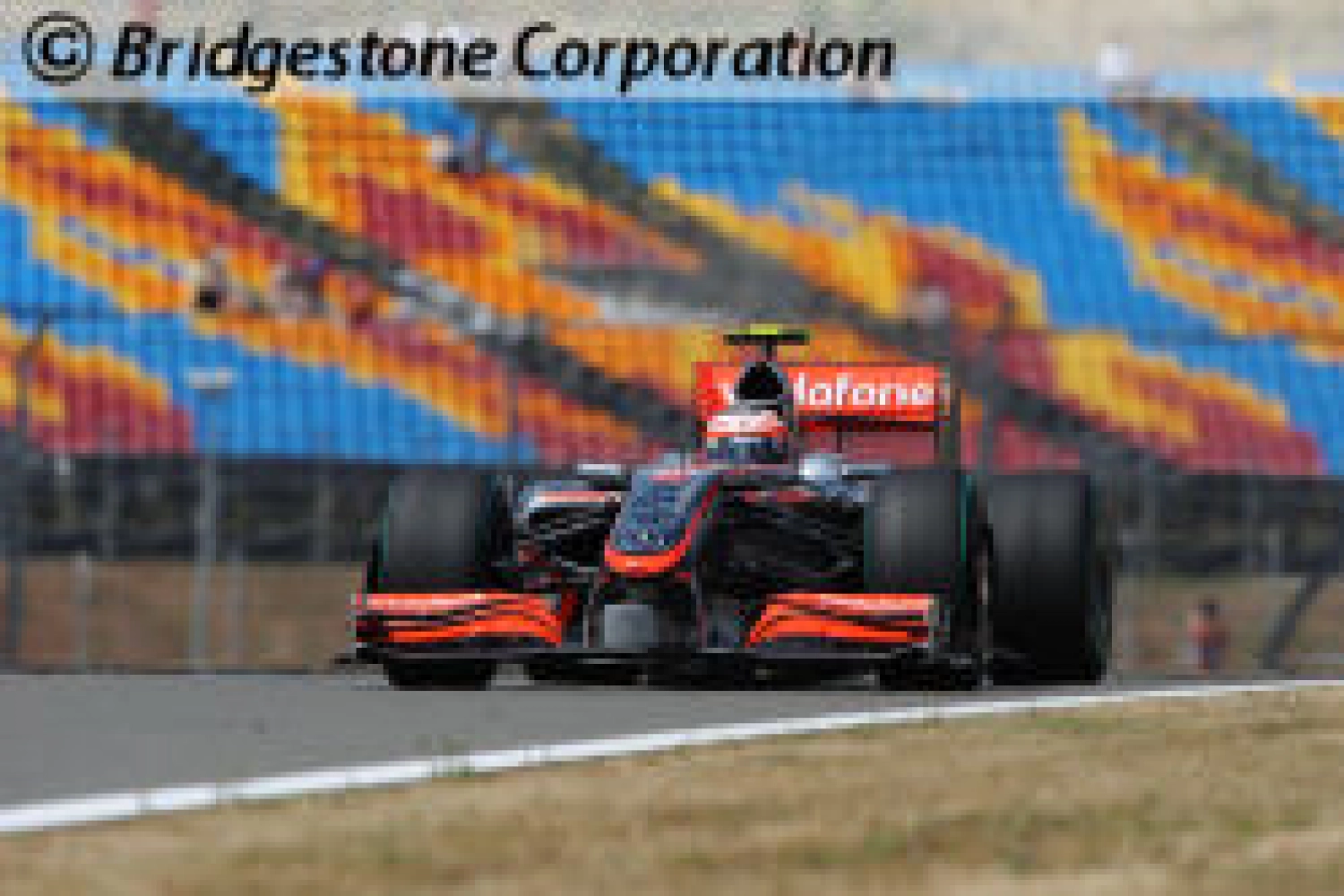
The Hungaroring is a very interesting circuit for both drivers and engineers. It doesn’t feature real high-speed corners, which usually leads teams to use high aerodynamic downforce, while the main concern will be cooling the car and the engine block. The temperatures, in fact, are generally scorching in this region of Europe. This also complicates the task for drivers, who need to be at the peak of their physical fitness to tackle the 70 laps of the Hungarian circuit.
Aerodynamics
The sequence of 14 corners on this track leaves drivers with few overtaking opportunities. There is actually only one option: turn number 1. Outside of this 700m straight, the circuit is like a carousel and features several combinations of low to medium-speed corners, which, given the very short braking zones, offer few overtaking possibilities. As a result, teams typically opt for maximum aerodynamic downforce, almost identical to that used in Monaco, to optimize not only the car’s behavior in corners but also braking and corner exit. The maximum speed rarely exceeds 300 km/h, especially since the introduction of V8 engines.
Fernando Alonso explains: « This circuit is quite intense for the drivers because there are a lot of turns on this short track. The high level of aerodynamic downforce allows us to be quite aggressive with the car, and the centrifugal force is higher in the faster corners. You need to be very precise in the section of the circuit that starts at turn number 8 and extends to turn 11. Each time, you need to anticipate the next turn. You also need a good rhythm when taking these turns and have confidence in the car’s stability to be consistent and precise in this part of the lap. »
Suspensions
Mechanical grip is an important factor on low-speed circuits like this one, and teams will try to soften suspension settings to improve the car’s mechanical grip. Drivers want a responsive car for the winding sections, with good traction out of corners, which forces teams to make compromises (stiff front and soft rear) in terms of setup. However, the level of front tire wear will be closely monitored. Indeed, they must not overload the softest compound available for this weekend’s race.
Tires
Bridgestone has scheduled the soft and super-soft tires from its 2009 range for the Hungarian Grand Prix. The low grip of the circuit and the absence of high-speed corners justify this choice. Once again, the challenge will be to control the level of graining of the soft tires. This phenomenon tends to diminish over the weekend as the track gradually gets more rubbered in. The data recorded during Friday’s practice will be crucial to determine whether the super-softs will be used for most of the race, while cooler temperatures or overnight rain could complicate matters.
Fernando Alonso adds: The track is usually quite green and dusty at the start of the weekend, but it improves with each session and the grip increases as the circuit builds up rubber. The first corner features the most significant braking area, and it’s also the only overtaking opportunity on the whole lap. It’s a downhill right-hander that we approach in seventh gear just below 300km/h before braking hard to reach 90km/h and shift into second gear. You need to take the curb very early, just where the corner opens up on the exit. Therefore, it’s crucial to have good traction and accelerate early to maintain good speed approaching turn two. »
Cooling
Another important parameter to monitor will be the cooling of mechanical parts. Although the car’s qualities in this regard are now recognized, it will be necessary to ensure that the radiators receive enough fresh air due to the high aerodynamic downforce the team will use. This has been given special attention during wind tunnel testing. The configuration will be adjusted on-site during the first runs.
Engine
The longest period at full power barely exceeds ten seconds, and only 56% of the lap is spent at full throttle (which is well below average). Therefore, it can be said that this circuit is not particularly demanding on the engine block. Out of 14 corners, five are negotiated in second gear at about 100 km/h. Unlike Monaco, where cars have an incredibly low minimum speed in some hairpins, the minimum speed at Hungaroring is around 90 km/h. Thus, the engine operates between 100 and 250 km/h. As always on a circuit with numerous corners, good low-end torque is crucial for being effective when exiting corners.
According to a press release from the Renault F1 Team